
Why Dining Chair Design Affects Meal Comfort
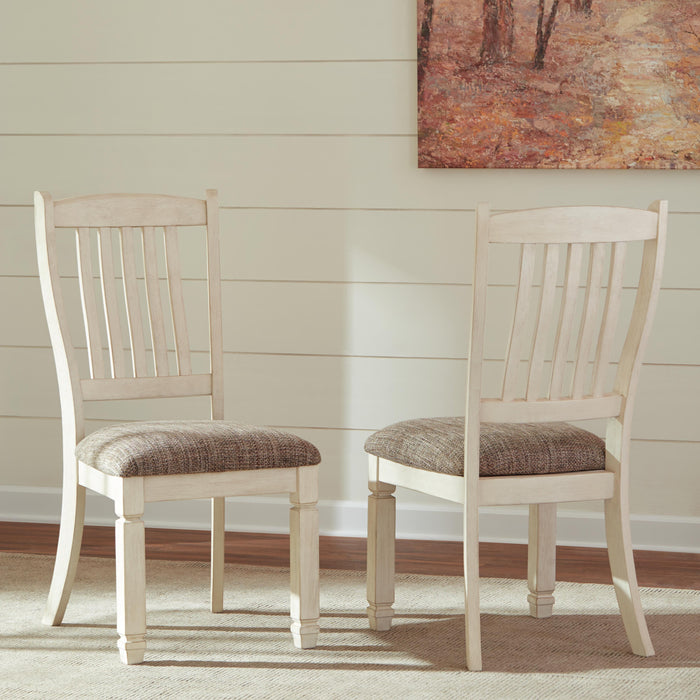
Key Takeaways
-
The ideal chair height for standard dining tables (28-30 inches tall) is between 17-19 inches, creating optimal leg clearance and supporting proper posture throughout meals.
-
Upholstered dining chairs encourage longer sit-down meals, with studies showing they average around 45 minutes of sit-time, making them ideal for families that regularly eat together for extended periods.
-
Chair width, armrests, and proportions directly affect social dynamics. Narrower chairs maximize seating capacity but reduce individual comfort, while wider chairs provide more personal space but limit how many people can join the table.
-
Materials significantly affect both comfort and maintenance; upholstered chairs provide superior comfort but require more upkeep, while wood chairs are durable but may need cushions for extended comfort.
-
Intentionally chosen dining room chairs transform quick, distracted bites into relaxed, memorable family gatherings where guests enjoy lingering over conversation.
How Dining Chair Design Shapes Your Dining Experience
Your dining chairs work harder than almost any other furniture in your home. They’re not just a place to sit, they’re the foundation of every family dinner, homework session, holiday celebration, and morning coffee ritual. Most people use their dining space daily, yet few consider how chair design shapes those experiences.
A dining chair acts as the interface between your body and the dining table, influencing everything from how you sit to how long you want to stay. The right dining chair supports your spine, keeps your feet grounded, and lets you focus on food and conversation rather than fidgeting and discomfort.
Design choices like backrest angle, seat padding, and frame stability affect more than physical comfort. They shape the dining atmosphere, influence mood, and determine whether your dining room feels like a place to rush through meals or linger over meaningful conversations. Research shows that comfortable seating increases “dwell time” in dining settings, often leading to people staying longer and enjoying extras like desserts and extended conversation.
Consider the contrast: a hard, upright wooden dining chair versus a cushioned, ergonomic upholstered chair during a typical 45-60 minute family dinner. On the hard seat, you shift constantly, your back aches by dessert, and you’re mentally ready to leave before the meal ends. On the cushioned seats, you settle in, your posture stays relaxed, and conversation flows naturally because your body isn’t sending distress signals.
Perfect dining isn’t about style alone; it’s a synthesis of ergonomics, aesthetics, and practical considerations working together.
The Ergonomic Foundations of a Comfortable Dining Chair
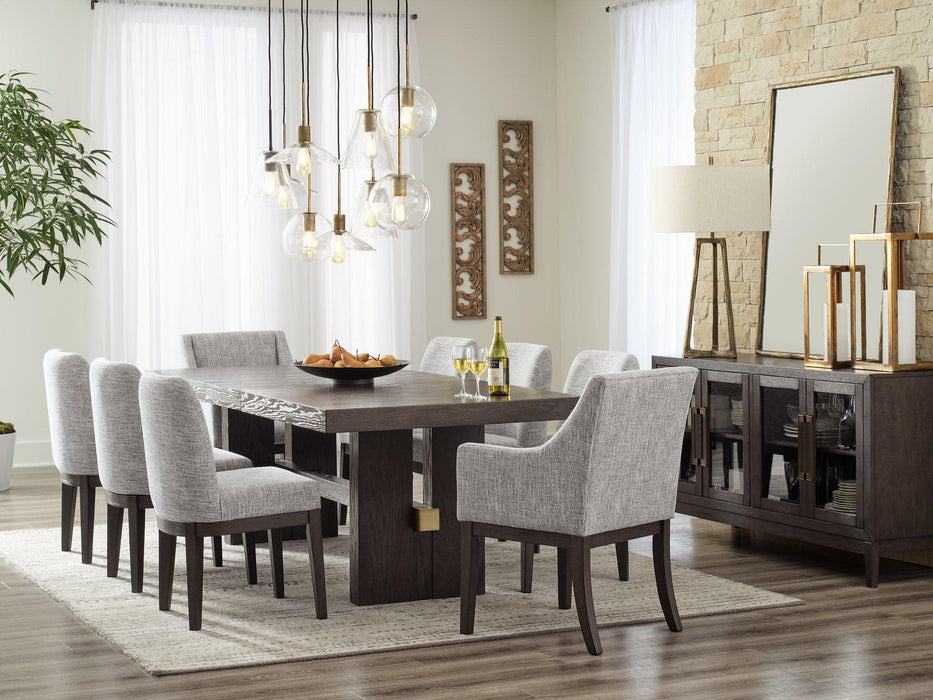
When people sit for 30-90 minutes during dinners, celebrations, and long conversations, ergonomics determines whether they leave energized or exhausted. Poor posture from unsupportive chairs can negatively impact digestion and lead to orthopedic issues over time.
Standard dimension guidelines to remember:
|
Component |
Measurement |
|---|---|
|
Standard dining tables |
28-30 inches (73-76 cm) high |
|
Ideal seat height |
17-19 inches (45-48 cm) |
|
The gap between the seat and the table |
10-12 inches (approximately 30 cm) |
|
Optimal seat depth |
16-18 inches (40-46 cm) |
|
Recommended chair width |
18-20 inches per person |
These proportions ensure that when you’re seated upright, your thighs remain roughly parallel to the ground, your feet rest flat on the floor, and your arms can rest comfortably on the table without hunching. The relationship between the height of the chair and the table influences arm position and overall posture during meals.
Chairs with seat depths around 40-46 cm (16-18 inches) allow people’s feet to rest flat while their backs stay supported, which is important for comfort during meals. Stable, non-wobbly frames with solid chair legs construction also influence perceived safety and bodily ease; a wobbly chair creates subtle tension as your body unconsciously braces against potential movement.
Backrests, Lumbar Support, and Posture
The backrest is arguably the most critical component determining dining chair comfort. A well-designed dining chair features a backrest that follows the spine’s natural S-curve, providing particular support in the lumbar region.
Chairs with a backrest geometry between 95 and 105 degrees typically provide better comfort than flat, upright designs. A perfectly vertical 90-degree backrest provides almost no lumbar support and forces the lower back into an unnatural position, encouraging slouching.
Low-back dining chairs that sit just below the shoulder blades offer a lighter aesthetic and improved elbow room but provide less support for extended meals. Higher-backed options support the whole upper body, making them particularly beneficial for individuals with existing back problems or those who will sit for extended periods.
Practical tip: When selecting dining chairs, sit at a similar table height for at least 20 minutes. Check whether you can maintain an upright posture with relaxed shoulders while feeling genuine support in your lower back. Ergonomic chairs that support the spine’s natural curve provide essential lumbar support and prevent slouching. Well-designed backrests reduce fidgeting and back pain, making family meals and long gatherings more enjoyable.
Seat Height, Depth, and Edge Design
When feet rest flat on the floor with thighs roughly parallel to the ground, body weight is distributed evenly across the seat. Chairs with a seat height of 18-20 inches paired with a standard table height of 28-30 inches support good posture and reduce physical discomfort during meals.
Incorrect seat height creates cascading problems:
-
Too high: Feet dangle, creating pressure points and reduced leg support
-
Too low: You slouch forward or hold your torso unnaturally upright, causing muscular tension
Seat depth requires careful consideration for varied body types within your household. Too-deep seats force shorter diners to lean forward and lose back support, while too-shallow seats fail to support taller users’ thighs adequately. Test dining room chairs with different family members to find a compromise that works for everyone.
A slightly rounded “waterfall” front seat edge substantially improves comfort during long meals. Sharp edges create pressure points under the thighs, compressing blood vessels and creating numb legs. The waterfall design distributes pressure more gradually, improving circulation during extended sitting.
The Role of Materials and Cushioning in Meal Comfort
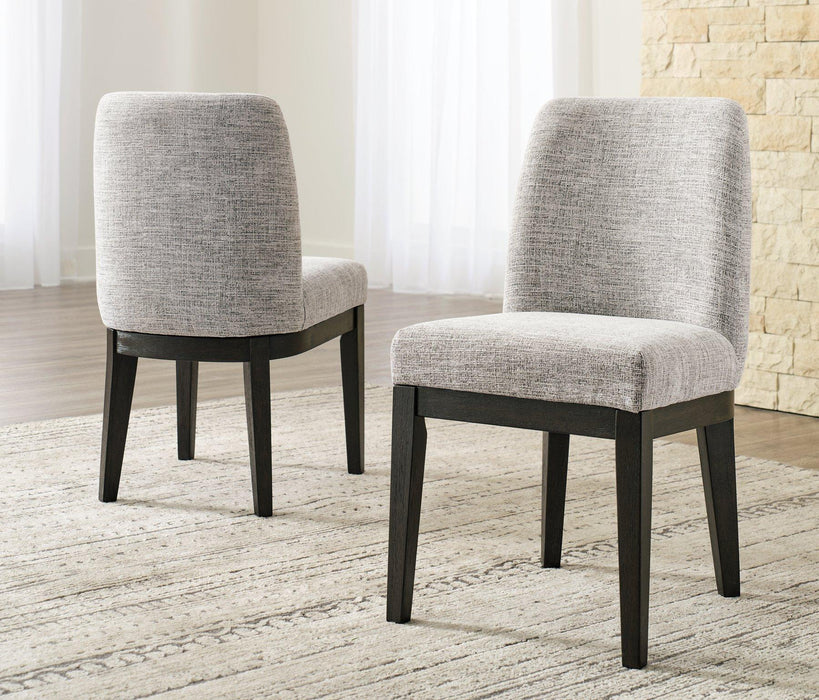
The materials used in dining chairs significantly affect comfort and maintenance. Fabric density, foam quality, and frame construction all change how a chair feels after 30-60 minutes of sitting.
|
Material Type |
Comfort Level |
Maintenance |
Best For |
|---|---|---|---|
|
Wood chairs |
Firm, may need cushions |
Low maintenance |
Quick meals, durability |
|
Metal chairs |
Cold, firm |
Easy to clean |
Modern aesthetics |
|
Upholstered chairs |
Superior comfort |
Requires more upkeep |
Extended meals |
|
Mixed materials |
Balanced |
Varies |
Versatility |
Materials that promote breathability, such as natural fibers, help regulate body temperature during extended periods of sitting. Materials used in dining chairs influence not only appearance but also comfort, with upholstered chairs providing superior comfort compared to hard surfaces like wood or metal, which may feel cold or transmit noise.
Medium-firm cushioning offers better support and comfort for regular dinners than very soft foam, which allows excessive body sinking and loss of support. The choice of materials can significantly affect maintenance requirements, with families prioritizing easy-to-clean surfaces like leather or performance fabrics to accommodate frequent spills.
Upholstered vs. Hard Seats
Upholstered dining chairs naturally encourage longer sit-down meals, with studies showing they average around 45 minutes of sit-time, making them ideal for families that regularly eat together for half an hour or more. The padded seats and softness create an inviting atmosphere that keeps guests comfortable.
Hard seats in wood or metal can be more suitable for quick breakfasts, compact dining spaces, or substantial chairs that must withstand heavy daily use. Adding separate removable cushions can upgrade comfort without replacing the entire chair.
When selecting fabrics that balance comfort and style, consider textured neutrals for relaxed everyday meals or richer tones for a formal dining room. Stain-resistant fabrics and durable fabrics work well for households with young children. Upholstered options give you aesthetic appeal while maintaining extended comfort.
Breathability, Temperature, and Seasonal Comfort
Tightly woven fabrics and leather retain warmth, cozy in cooler climates, but potentially uncomfortable in warm dining rooms. Leather or faux leather may feel cooler initially, while fabric upholstery feels instantly warm and soft.
Breathable materials like cotton blends or certain performance fabrics help regulate temperature during long dinners in the summer months. Consider your local climate and whether your dining area receives strong sunlight when selecting materials for perfect dining comfort. Seat padding thickness and fabric choice subtly affect how visually appealing and inviting a chair feels across different seasons.
Design Features That Influence Social Dynamics and Dining Atmosphere
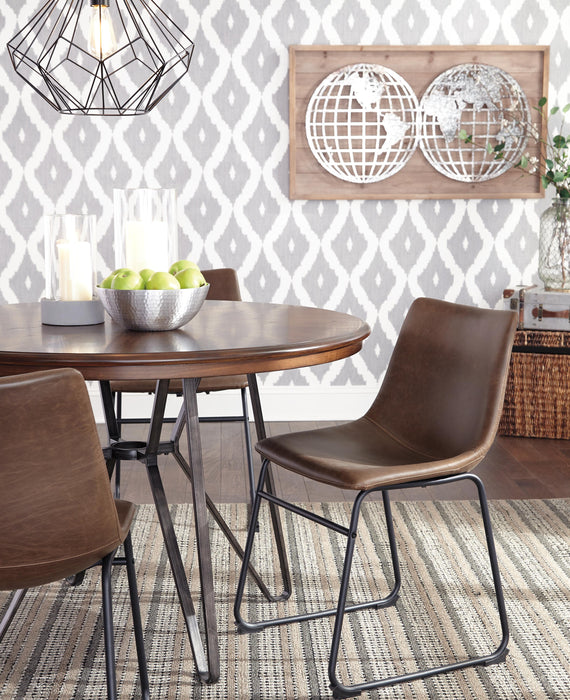
Beyond ergonomics, chair styles and shapes influence how people interact, share food, and feel in the room. Comfortable seating encourages guests to linger, enhancing social interactions and creating a more inviting atmosphere.
Chair height, openness of the backrest, and the presence or absence of arms shape eye contact, conversation flow, and perceived formality. The design of dining chairs, including backrest angle and cushioning, significantly impacts comfort and usability, influencing how long people want to remain seated.
Round tables can boost conversation by an estimated 25-30% compared to rectangular configurations, as they eliminate head-of-table hierarchy and promote equal conversation flow. But your chair selection matters equally; choose chairs that match how you actually use your dining space, whether for casual weeknight family dinners, frequent entertaining, or multi-purpose work and study.
Armrests, Chair Shape, and Personal Space
Chairs with arms promote slower, more anchored eating, making them suitable for long meals, while armless chairs support higher seating capacity and quicker movement. This makes armless chairs ideal for busy households where people frequently move between the table and the kitchen.
The arrangement of dining chairs influences social dynamics. Armchairs at the heads of the dining table create a sense of hierarchy and anchoring, suiting more formal or traditional dining experiences. Meanwhile, armless dining chairs free up elbow room, allow more seats around a smaller table, and support easy in-and-out movement.
Consider mixing seating types: A few armchairs with simpler side chairs balance comfort and style while accommodating both extended comfort needs and flexible seating numbers. This approach lets family members choose their preferred seating while maintaining seating capacity for guests.
Chairs with arms promote slower, more anchored eating, encouraging family members to linger over meals and fostering meaningful conversations, while armless chairs support quicker movement, important for solo diners or those who entertain frequently and need comfortable movement around the table.
Visual Weight, Style, and Dining Room Mood
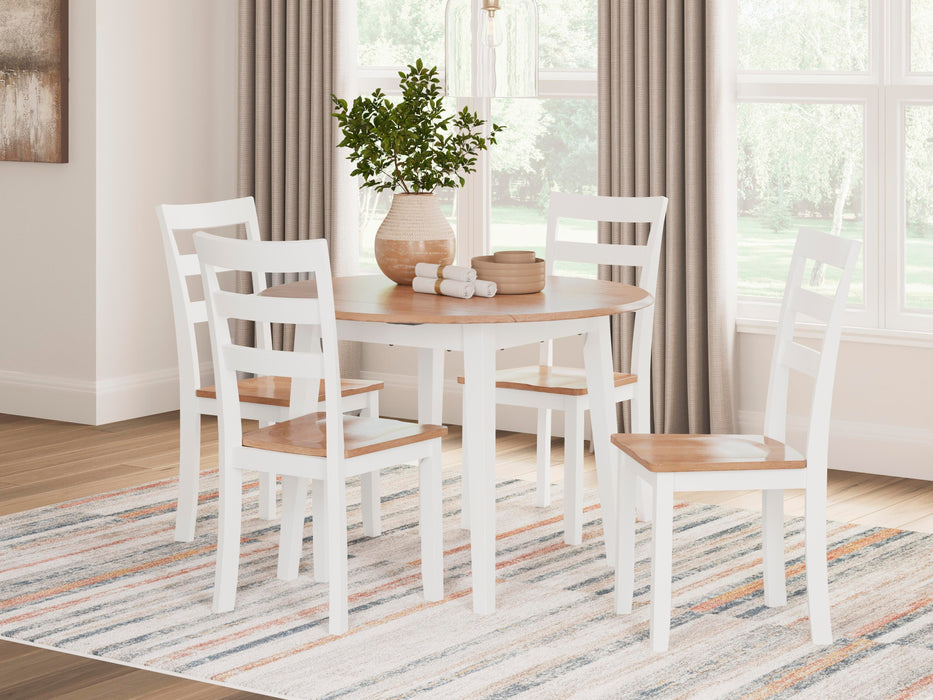
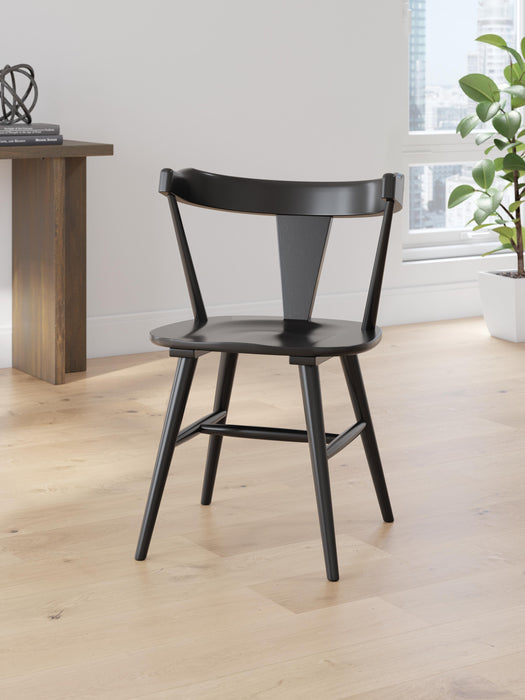
Visual weight describes how substantial chairs appear. Chunky, upholstered dining room chairs feel more substantial, while slim, open-backed designs feel light and airy. Professional designers often pair different chair styles with table proportions, lighter silhouettes for small dining spaces, and wider chairs in larger rooms.
Colors and finishes influence the thoughtful design of your dining atmosphere:
-
Warm wood tones: Cozy, intimate settings
-
Dark neutrals: Sophisticated, formal atmosphere
-
Soft neutrals: Bright, airy feeling
-
Bold colors: Energy and personality
Use dining room chairs to introduce texture, linen, velvet, or boucle, to soften hard surfaces and make the existing decor more inviting. Choosing dining chairs that align with the intended use duration can significantly enhance overall comfort and visual appeal.
Practical Considerations: Space, Movement, and Daily Use
Even the most beautiful dining chair fails if it doesn’t fit comfortably in your space or allow easy movement around the table. These practical considerations make all the difference between quality dining chairs and poor purchases.
Essential spacing guidelines:
|
Requirement |
Measurement |
|---|---|
|
Table edge per person |
24-26 inches |
|
Clearance behind seats |
32-36 inches minimum |
|
Chair width for comfortable seating |
18-20 inches |
These measurements ensure people don’t feel cramped and can push chairs back and walk by without feeling cramped. Slimmer profiles and armless designs help in compact dining rooms, while wider, more cushioned chairs suit generous spaces for long dinners.
Lightweight chairs are easier for all family members to move, important for multi-use dining areas that double as homework or hobby spaces. Consider adding felt pads to chair legs to protect floors and reduce noise for a calmer dining experience during daily meals.
Durability, Cleaning, and Long-Term Comfort
Quality construction in frames, solid wood or well-constructed metal, supports long-term stability and comfort, especially in busy households with frequent family gatherings. Quality foam and upholstery retain their shape over the years, while low-quality padding may sag after frequent use.
Choose finishes and fabrics that match daily life requirements. Easy-wipe seats work for young children, while stain-resistant fabrics suit those who entertain frequently. Comfortable chairs are long-term investments; occasional maintenance, like tightening screws or refreshing seat cushions, extends their life.
How to Choose Dining Chairs for Your Ideal Dining Experience
Selecting the right dining chair starts with understanding how you eat, host, and use your dining space. Map your typical routines: quick weekday breakfasts, long weekend brunches, family dinners, and celebrations. Determine how much emphasis to place on comfort versus compactness.
Step-by-step selection process:
-
Measure table height and room size
-
Define typical meal duration and how many chairs you need
-
Choose cushioning level and materials based on lifestyle
-
Test chairs fit and comfort in person for 10-15 minutes minimum
-
Refine style and color to match existing decor
Physically test comfortable chairs where possible by sitting at a similar table height for extended periods to gauge real comfort rather than relying on quick showroom tests. Consider mixing different chair types, perhaps upholstered end chairs and simpler side chairs, to blend extended comfort and flexibility.
Matching Chairs to Table and Room Layout
Ensure proper proportion between dining room chairs and the right furniture: seat height versus table height, backrest height versus tabletop, and chair width versus available space. Check that chairs slide fully under the table apron without hitting and that there’s enough knee room for taller diners.
Plan seating capacity for a typical family size plus occasional guests without overcrowding the dining area. In open-plan spaces where dining chairs remain visible from other rooms, careful consideration of style influences the overall home aesthetic. The right chairs create just a place where family meals become memorable experiences through practical benefits of thoughtful design and supportive backrest geometry that keeps everyone comfortable through dessert.
FAQ
How high should dining chairs be for a standard dining table?
Standard dining tables typically stand 73-76 cm (28-30 inches) tall, paired ideally with chairs that have seat heights of 45-48 cm (17-19 inches). Target dimensions for adult seating are 46-51 cm (18-20 inches) seat height to pair with a standard 71-76 cm (28-30 inches) table height, which supports good posture for most adults. Keep roughly 10-12 inches between the top of the seat and the underside of the table; this gap helps most adults sit comfortably with relaxed shoulders. Always measure both your table and existing chairs before buying new seating to avoid knees hitting the table apron.
Are armrests necessary for comfortable dining chairs?
Armrests aren’t mandatory, but can increase comfort for longer meals by supporting shoulders and arms. Armchairs take up more width, reducing seating capacity, and may work best at the ends of the dining table or in larger dining rooms. A practical approach combines armchairs at table ends with armless chairs along the sides, giving you both higher comfort options and flexible seating numbers for when guests arrive.
What seat cushion firmness is best for long dinners?
Medium-firm cushions usually provide the best balance of comfort and support, preventing that “sinking in” feeling during long meals. Overly soft cushions may feel comfortable at first, but can cause slouching and fatigue, while very hard seats may shorten how long guests want to stay seated. Sit in a chair for at least 10-15 minutes in a showroom to judge real-world comfort rather than relying on a quick test.
How many dining chairs can I fit around my table without it feeling cramped?
As a rule of thumb, allowing 24-26 inches of table edge per person gives enough elbow room for comfortable meals. Maintain at least 32-36 inches between the table edge and walls or other furniture so people can push chairs back and move freely. Slimmer, armless dining chairs allow slightly more seats, while wider, heavily upholstered chairs reduce capacity but increase individual comfort; the trade-off depends on your priorities.
Do different materials really change how a dining chair feels during meals?
Materials significantly influence comfort. Wood and metal can feel harder and cooler, while fabric and padded seats feel softer and warmer. Breathable textiles are often more comfortable in warm dining rooms, whereas leather-like surfaces are easier to wipe clean after spills. Choose materials based on your climate, household habits, and how often your dining space hosts long family meals versus quick snacks.
Get Dining Room Furniture at MI Hometown Furnishings Today
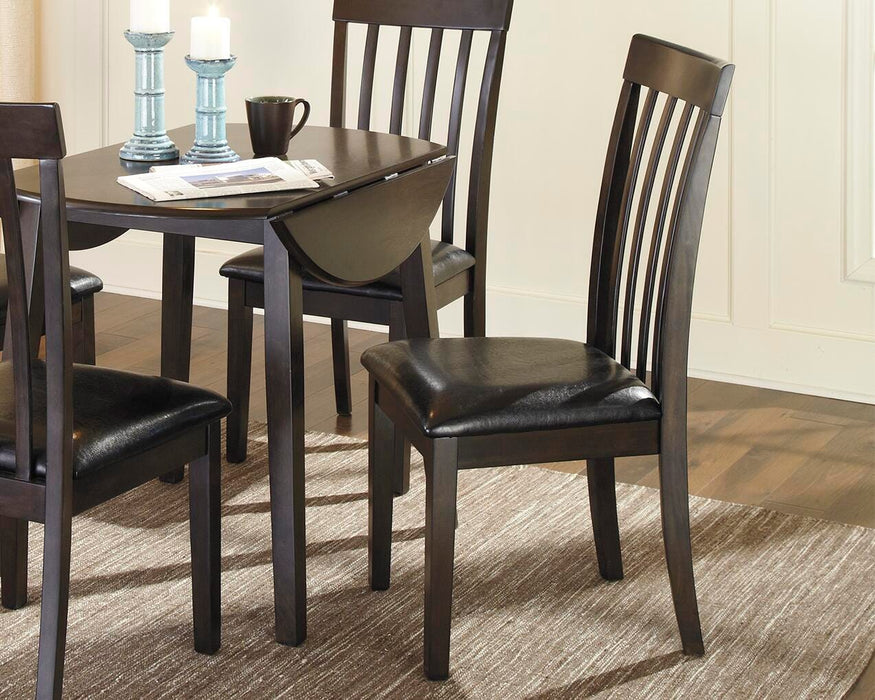
Upgrade your dining space with dining room furniture at MI Hometown Furnishings today and create a welcoming area for everyday meals, family gatherings, and special occasions. Whether you are looking for dining tables, chairs, benches, or complete dining sets, you will find options designed to match different home styles and room sizes. The right dining furniture helps improve comfort, functionality, and the overall look of your dining area while making every meal more enjoyable.
Now is the perfect time to refresh your home setup. Get dining room furniture at MI Hometown Furnishings now and create a space where meals, conversations, and memorable moments can be shared with family and friends every day.