
Why Everyone Needs a Recliner at Home

In 2026, most of us spend more hours sitting than we’d like to admit. Remote work, streaming marathons, gaming sessions, and quiet evenings with a book have become the rhythm of daily life. A recliner is no longer just a luxury reserved for grandparents or man caves; it’s a practical piece of furniture that supports your body, your health, and your well-being every single day.
Think about your typical week. Coming home after a long commute. Recovering after a tough workout. Settling in for late-night Netflix with your partner. Comforting a newborn at 2 a.m., working from the living room because your home office chair makes your back ache. In all these moments, a good chair makes all the difference between feeling drained and feeling restored.
Here’s the promise: the right recliner improves posture, helps reduce pain, supports blood circulation, and creates a personal reset zone right in your own house. It’s the one seat you’ll actually use every day.
-
Comfort: Adjustable positions that a sofa or bed can’t match
-
Health support: Better spinal alignment and reduced pressure on joints
-
Independence: Easier sitting and standing for seniors and those recovering from injury
-
Versatility: Works in the living room, nursery, bedroom, or home office
Introduction to Recliner Chairs
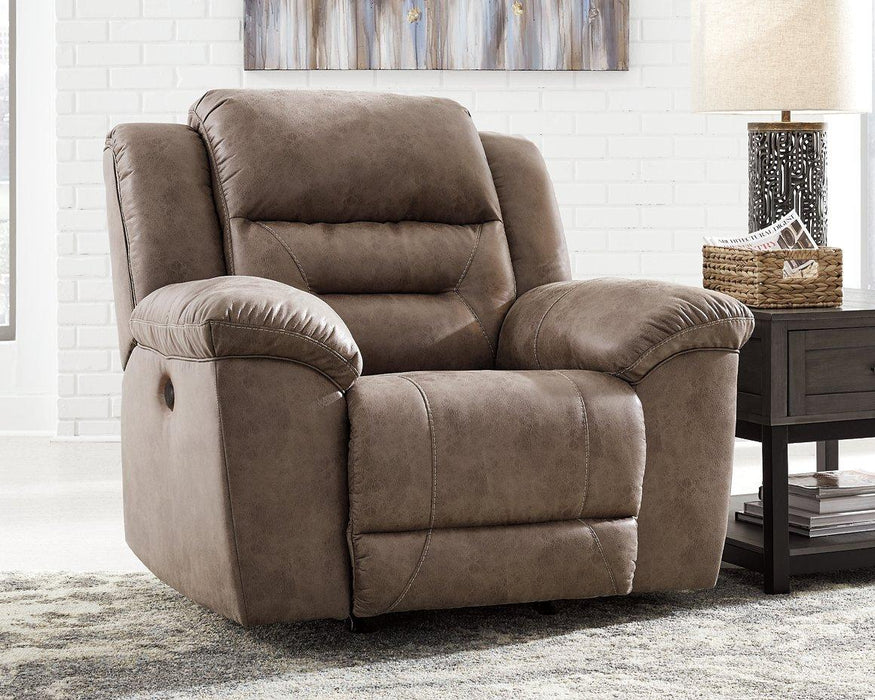
Recliner chairs have become a staple in homes where comfort, style, and health benefits are top priorities. Unlike just a chair or just a seat, a recliner is designed to deliver the ultimate in home comfort, blending relaxation with practical support. With features like built-in lumbar support, adjustable headrests, and even power lift mechanisms, these chairs are engineered to promote proper posture and reduce pain from long periods of sitting.
Whether you’re unwinding after a long day, catching up on your favorite show, or simply enjoying a quiet moment in your living room, a recliner offers more than just a place to sit; it’s a seat that supports your well-being. The health benefits are real: improved blood circulation, relief from back and joint pain, and the ability to relax in a position that fits your body’s natural curve. Plus, with so many styles available, you can find a recliner that enhances the look of any room, making it both a statement piece and a source of daily relaxation. It’s no wonder recliner chairs are now considered a must-have for anyone seeking both comfort and support at home.
1. Health and Posture Benefits You Feel from Day One
A reclining chair immediately reduces strain on your back, neck, and legs compared to sitting on a standard sofa or dining chair. The difference isn’t subtle; you’ll feel it within the first session.
When you recline at a 110–130° angle with your feet elevated, you support the natural curve of your spine. Recliners help distribute your body weight evenly, which relieves tension in muscles and joints and prevents pressure points. Research from the University of Alberta found that even modest backward tilts reduce compression on lumbar discs, induce relaxation, and help preserve the spine’s natural S-curve. This distributed weight loading prevents the flattening that happens when you slouch on a soft, shapeless couch.
Consider the difference in real scenarios. Watching a 2-hour film on a saggy sofa leaves you shifting constantly, rubbing your lower back by the end. Working on a laptop for 45 minutes at the kitchen table has you hunched forward. Reading for an hour in a chair without support creates tension in your neck and shoulders. A recliner with built-in lumbar support and an adjustable headrest solves all of these problems at once. Lumbar support in recliners is specifically designed to relieve tension in the lower back and neck.
Modern recliners are designed for people who sit for long periods, office workers, gamers, students, and anyone who spends their day in a seat. The combination of proper posture support and customizable angles means you can find the perfect angle for any activity.
Key posture benefits:
-
Less slouching during extended sitting
-
Better spinal alignment that reduces chronic pain
-
Fewer tension headaches from neck strain
-
Reduced lower back pain and fatigue
Sitting upright at 90 degrees actually compresses the spine, but reclining to about 135 degrees significantly reduces this pressure. This optimal reclining position can also trigger a relaxation response, slowing your breathing and reducing blood pressure.
Improved Circulation and Leg Comfort
Elevating your legs to heart level does something simple but powerful: it helps blood flow back up from your feet and ankles. Gravity works against your circulatory system all day long, especially if you stand or sit in one position for hours. Nurses, retail workers, teachers, and anyone who spends shifts on their feet know the feeling of heavy, swollen legs by evening.
Spending 20–30 minutes in a recliner after a long shift can noticeably reduce ankle puffiness and that uncomfortable “heavy legs” sensation. The zero-gravity posture, where legs are elevated slightly above heart level, eases cardiac workload and promotes venous return. This position also supports people dealing with mild circulation issues, varicose veins, pregnancy-related swelling, or recovery from minor leg injuries.
You’ll notice specific improvements quickly:
-
Tingling feet ease as blood circulation improves
-
Shoes fit more comfortably by evening instead of feeling tight
-
Less throbbing in calves after long days
-
Reduced swelling in ankles and feet
Muscle Relaxation and Stress Relief
Sitting upright requires constant work from your muscles. Your back, shoulders, and hips brace to keep you balanced, even when you’re “relaxing” on the sofa. A relaxed posture in a recliner allows these major muscle groups to fully let go.
When you recline, your body weight distributes evenly across the chair’s surface. Pressure points on your hips and tailbone get relief. Optional features like heat and vibration massage take this further; 10–15 minutes in a heated recliner can feel like a quick at-home spa break after a stressful day. Some models even offer targeted massage zones for your back, legs, and feet.
Physical relaxation directly supports mental health. Lower muscle tension leads to easier breathing and reduced perceived stress. It’s the ideal way to unwind after work or prepare your body for restful sleep.
Micro-rituals that work:
-
Evening wind-down in winter with heated recline and a warm blanket
-
Sunday afternoon power nap with a gentle vibration massage
-
Post-gym cool-down to relax muscles and speed recovery
2. Everyday Comfort: Your Personal Relaxation Zone
Picture Friday night in front of a new series. Game day with friends crowded around the TV. A rainy Sunday with nothing but a good book and a cup of coffee. All of these moments get better when you’re sitting in a recliner instead of fighting for a comfortable spot on the sofa.
A recliner offers more positions than any other piece of furniture. Upright for reading or eating a snack. Slightly back for scrolling your phone or chatting with family. Deep recline for serious naps or late-night watching TV marathons. Every position includes built-in leg support that a standard seat simply can’t provide.
In most households, the recliner quickly becomes the most fought-over chair. It’s not just a seat; it’s the spot everyone wants. That popularity tells you something: this is furniture that earns its place in your room every single day.
Daily use cases that make a recliner essential:
-
Quick 15-minute power nap between tasks
-
Cozy winter movie night with a blanket and cup holders nearby
-
Late-night gaming session with proper back support
-
Sunday morning coffee corner with the perfect angle for reading
Why does comfort in a recliner feel different from any other chair or sofa?
-
Adjustable positions mean you’re never stuck in one pose
-
Elevated feet reduce pressure on your lower body
-
Lumbar and neck support prevent slouching
-
The ability to recline and relax fully transforms rest time
Better Naps and Recovery Without Ruining Night Sleep
Recliner chairs are ideal for short restorative naps; the 20–40 minute kind that actually refreshes you. Unlike lying flat on a bed, a recliner supports your head, neck, and legs while keeping your spine gently inclined. Sleep research shows this position can extend deep slow-wave sleep and improve overall sleep quality.
A recliner is particularly helpful for people who find it hard to lie fully flat. Those dealing with acid reflux, mild breathing issues, or recovery from minor surgery often sleep more comfortably at a slight incline. Studies confirm that an elevated head and torso position reduces nighttime gastroesophageal reflux symptoms.
Experts generally don’t recommend sleeping the entire night in a recliner long-term. But short daytime naps in a recliner can boost energy and may even help you fall asleep faster at bedtime, without the grogginess that comes from oversleeping on the couch.
Nap tips for recliner users:
-
Keep naps between 20–40 minutes for best results
-
Recline to 110–130° for optimal spinal support
-
Use a light blanket for temperature comfort
-
Dim the lights or use an eye mask for faster sleep onset
3. Help for Seniors, Parents, and Anyone with Mobility Issues
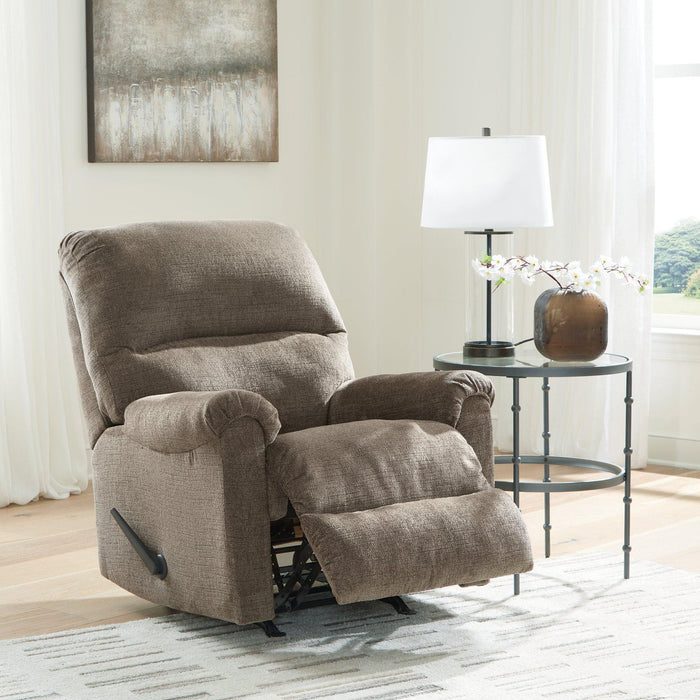
Recliner chairs aren’t just about comfort; they’re about independence. For older adults, people recovering from injuries, and those with joint problems, a recliner can make a big difference in daily life.
Power lift recliners include a motorized mechanism that gently tilts the entire chair forward, helping users transition from sitting to a standing position with the press of a button. This reduces strain on knees, hips, and the lower back, areas that often cause pain and limit mobility.
Consider the real-world impact. A grandparent can get up safely after watching TV without struggling against a low sofa cushion. Someone with arthritis can stand independently without calling for help. A post-surgery patient can move between rest and walking more comfortably, speeding recovery.
The dignity factor matters. Fewer risky “pushes” off soft furniture means fewer falls. Less reliance on family members for simple movements means more confidence. Power lift recliners help people maintain their independence longer.
Key mobility benefits:
-
Safer, controlled standing motion
-
Less pressure on knees and hip joints
-
Reduced fall risk compared to getting up from low seating
-
More confidence moving around the house independently
Perfect Support for New and Expectant Parents
New parents quickly discover that a recliner becomes essential furniture. At 2 a.m., when you’re comforting a crying baby, the last thing you need is an uncomfortable chair that makes your back ache.
A recliner offers practical benefits for nursery and bedroom use. Feeding sessions are easier with proper back support. Skin-to-skin cuddling feels natural when you can relax fully. Some models include a swivel or glider base that adds a gentle rocking motion, helpful for calming colic or lulling a baby to sleep.
Look for specific features that make parenting easier: padded armrests at the right height for holding a baby, a silent reclining mechanism that won’t wake a sleeping infant, and easy-clean fabrics like microfiber or performance fabric for inevitable milk spills. A compact recliner placed in a nursery corner or beside the parents’ bed becomes the perfect “night shift station.”
Why a recliner beats a traditional rocking chair for parents:
-
Full back support prevents strain during long feeding sessions
-
Leg elevation reduces swelling from pregnancy or recovery
-
Ability to nap safely while holding the baby upright for short periods
-
More comfortable than wooden rockers for extended use
Types of Recliners: Finding Your Perfect Match
With so many options on the market, finding the right recliner for your living room or any other space can feel overwhelming, but it doesn’t have to be. Today’s recliner chairs come in a variety of styles and sizes, each designed to meet different needs and preferences. If you’re looking to create a spacious living room feel without sacrificing comfort, consider a compact or wall-hugger recliner. These models maximize your space while still offering the full relaxation experience.
For those with mobility issues, power lift recliners are a standout feature, providing effortless support and making it easy to move from a sitting to a standing position. If you love modern conveniences, look for a reclining chair with built-in USB ports, so you can charge your devices while you relax. Prefer a classic look? Traditional recliners with a natural curve and plush support never go out of style. And if you need seating for more than one, a reclining sofa brings all the benefits of a recliner to a larger format. No matter your needs, whether it’s style, support, or space-saving design, there’s a recliner out there that fits perfectly into your room and your life.
Power Lift Features: Effortless Comfort for Everyone
Power lift recliners are changing the game for anyone who needs a little extra help getting comfortable or standing up. With the touch of a button, these chairs gently lift you to a standing position, taking the strain off your knees, back, and joints. This is especially valuable for people with mobility issues or chronic pain, as it allows for safe, independent movement without the risk of falls or added discomfort.
But the benefits go beyond just standing up. Power lift recliners can also help improve blood circulation by allowing you to adjust your position easily, reducing swelling in your legs and feet after long periods of sitting. The ability to shift seamlessly between sitting, reclining, and standing positions means you can always find the most comfortable and supportive posture for your body, promoting overall well-being. Whether you’re recovering from surgery, managing chronic pain, or simply want to enjoy effortless comfort, a power lift recliner is a smart investment in your health and daily life.
4. One Chair, Many Roles: Versatility in Any Room
A recliner is one of the few pieces of furniture that works almost anywhere in your home. Living room, bedroom, nursery, home office, media room, the same chair serves different purposes depending on where you place it.
Think about concrete placement options. A compact wall-hugger recliner fits perfectly in small apartments where space is limited. A generous oversized model anchors a home cinema setup. A slim recliner near a window creates a dedicated reading nook that feels like a retreat from the rest of the house.
A single recliner can serve different family members throughout the day. During home-office hours, it’s an alternative to a desk chair for laptop work that needs a break. In the evening, it’s a gaming throne with support to play for hours without strain. At night, it becomes a relaxation spot for seniors who need a comfortable place to rest their legs.
Compared to other common seating options, recliners simply outperform. A rocking chair moves but lacks support. A bean bag molds to your body but offers no structure. A basic accent chair looks nice, but leaves you stiff after an hour. A good recliner combines adjustability, support, and long-term comfort that no other chair matches.
Roles a recliner can play in your home:
-
Reading chair with adjustable lighting angle
-
TV chair with perfect viewing position
-
Recovery chair for post-surgery or illness
-
Baby-care chair for feeding and comforting
-
Home-office relief chair for breaks between desk work
Matching Different Lifestyles and Households
Choosing the right recliner means matching the chair to how you actually live. A young couple in a studio apartment has different needs than a multi-generation household with grandparents, kids, and pets.
For a small space in a city flat, look for a compact fabric recliner with clean lines that won’t dominate the room. If you have kids and pets, prioritize sturdy construction and easy-wipe materials that handle spills, crumbs, and claws. Traditional living rooms might call for a more formal high-back recliner with classic upholstery.
Different mechanisms serve different routines. Rocker recliners add soothing motion for nurseries or relaxation. Swivel bases let you turn toward conversation or the TV without moving the whole chair. Wall-hugger models work where space is tight. Zero-gravity recliners provide the deepest relaxation for stress relief. Power lift models prioritize accessibility for those with mobility issues.
Lifestyle-to-recliner matching guide:
-
Young professionals in small flats: Compact wall-hugger with modern lines
-
Families with kids and pets: Durable frame with stain-resistant fabric
-
Multi-generation homes: Power lift recliner for senior accessibility
-
Remote workers: Supportive model with good lumbar cushioning for desk breaks
Customization Options: Make It Truly Yours
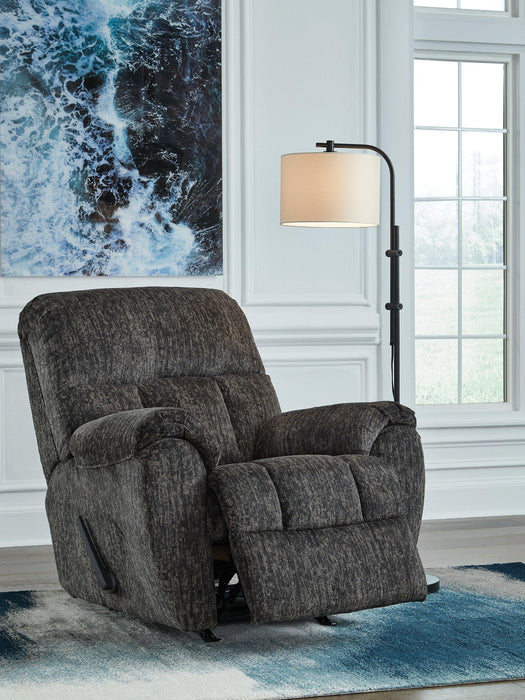
One of the best things about modern recliners is how customizable they are. You’re not limited to just a standard chair; today’s recliners let you choose everything from the fabric to the features, so your seat fits your style and your needs. Want a soft, plush recliner for ultimate relaxation? Or maybe a durable, stain-resistant material that stands up to kids and pets? The choice is yours.
Many modern recliners come with built-in cup holders, perfect for movie nights or keeping your favorite drink close at hand. USB ports are another popular feature, letting you charge your devices without leaving your comfy spot. Adjustable headrests and footrests mean you can always find the perfect angle for reading, watching TV, or taking a nap. With so many options, you can create a recliner that’s not just a piece of furniture, but a personalized retreat that enhances your relaxation and matches your home’s style.
Finding the Perfect Fit: Size, Space, and Ergonomics
Choosing the right recliner is about more than just picking a style you like; it’s about finding a chair that fits your body, your room, and your lifestyle. If you’re working with a small space, look for a recliner with a compact footprint that still offers full support and comfort. In a larger room, you might opt for a more spacious model that makes a statement.
Ergonomics is key to getting all the benefits from your recliner. Look for features like lumbar support and adjustable headrests, which help maintain proper posture and reduce pain, especially if you’ll be sitting for long periods. Make sure the recliner’s weight capacity matches your needs, and that the seat depth and height are comfortable for your body. By considering these factors, you’ll find a recliner that not only fits perfectly in your space but also provides the support and relaxation you need for years to come.
5. Design, Style, and Tech: Recliners That Actually Look Good
The old stereotype of bulky, brown recliners taking over the living room is outdated. Today’s recliners come in sleek designs that fit seamlessly with contemporary decor; some are nearly indistinguishable from elegant armchairs.
Style options have expanded dramatically. Mid-century-inspired models feature exposed wooden legs and tailored cushions. Contemporary silhouettes emphasize clean lines and slim profiles. Classic shapes offer plush comfort with traditional details. Color choices range from neutral tones like charcoal, beige, and navy to bold accent colors that make a statement in your seating.
Coordinating your recliner with existing decor doesn’t require compromise. Match the upholstery to your reclining sofa for a cohesive look. Use a contrasting accent color to create visual interest. Choose textures, linen-look, velvet-look, or leather-look, that complement other fabrics in the room. A good recliner becomes part of your home’s style rather than working against it.
Tech upgrades have transformed what a recliner can do. Built-in USB ports keep your phone charged without trailing cables. Hidden cup holders keep drinks within reach. Adjustable headrests let you find the perfect angle for watching TV or reading. Optional heat and massage programs turn an ordinary chair into a wellness station. You don’t have to sacrifice style for these features; they integrate invisibly into modern designs.
Design tips for choosing your recliner:
-
Measure your space carefully before shopping
-
Pick a color palette that complements your room
-
Decide between fabric, faux leather, or genuine leather based on your lifestyle
-
Consider whether you want visible mechanisms (traditional) or hidden (contemporary)
-
Check that the recliner fully fits your available floor space
Space-Saving Options for Smaller Homes
Wall-hugger and “zero-wall” recliners solve the biggest problem with traditional models: they need too much clearance behind them. These space-saving designs move forward as they recline, requiring only a few inches of distance from the wall.
Here’s what that means in practice. A standard recliner might need 30-40 cm of clearance behind it. A wall-hugger model needs just 10-15 cm. In a spacious living room, this difference barely matters. In a small apartment or compact bedroom, it’s the difference between fitting a recliner and giving up on the idea entirely.
Slimmer arm profiles and longer legs help too. These design choices visually lighten the chair so it doesn’t dominate a small space. A recliner on raised legs allows light to pass underneath, making the room feel more open. Compact proportions mean the chair fits perfectly in corners or alcoves where bulkier models would overwhelm.
Practical space-planning tips:
-
Measure doorways and hallways to ensure delivery access
-
Leave 60-90 cm of walking clearance in front of the reclined chair
-
Consider traffic flow, don’t block pathways when the footrest is up
-
Position near a power outlet if choosing an electric model
6. Long-Term Value: A Small Upgrade with Big Payoff
A quality recliner isn’t just furniture; it’s an investment that pays dividends every day. When you calculate the value over years of use, the numbers make sense.
Compare the cost of a good recliner to the alternatives. Monthly massage appointments add up quickly. Ergonomic accessories for bad chairs cost money without solving the real problem. Cheap furniture that needs replacing every few years ends up costing more than buying quality once. A well-made recliner provides comfort, support, and health benefits in one purchase.
A properly constructed recliner with a robust frame and quality mechanism can last 7-10 years or more with proper care. The frame materials matter; hardwood or steel construction outlasts particleboard. The mechanism quality determines whether smooth operation continues year after year. Cushion density affects how well the chair maintains its shape and support over time.
Quick maintenance extends lifespan significantly. Vacuum crevices weekly to prevent debris from working into the mechanism. Wipe spills immediately before they set into fabric. Apply fabric protector for stain resistance. Lubricate moving parts once or twice a year to prevent squeaks and keep the operation smooth.
Why a recliner is worth the investment:
-
Daily use means a high return on your purchase
-
Multi-purpose function replaces the need for multiple chairs
-
Supports different family members at different life stages
-
Reduces the need for other comfort furniture or accessories
-
All the benefits compound over the years of ownership
Simple Care to Keep Your Recliner Like New
Maintaining your recliner takes minimal effort but delivers maximum results. A simple routine keeps the chair looking and functioning like new for years.
Monthly cleaning makes a difference. Vacuum the seat, back, and crevices to remove crumbs, dust, and pet hair. For fabric upholstery, use a mild soap and water solution for spot cleaning; always test in an inconspicuous area first. Faux leather and genuine leather need dedicated cleaners that won’t dry out the material.
Every six months, check screws and bolts to ensure nothing has loosened from regular use. Tighten any hardware that feels loose. For electric recliners, inspect power cables annually for wear or damage. Keep the mechanism free of debris that could affect smooth operation.
Homes with pets or small children benefit from throws or washable covers. These protect upholstery from claws, fur, and spills while being easy to remove and clean. Choose covers that match your decor so protection doesn’t come at the cost of style.
Maintenance do’s and don’ts:
-
Do clean spills immediately to prevent staining
-
Do vacuum crevices regularly to keep mechanisms clear
-
Do use appropriate cleaners for your upholstery type
-
Don’t use harsh chemicals that can damage fabric or finish
-
Don’t overload the footrest beyond its weight capacity
-
Don’t allow food crumbs to accumulate in mechanisms
Conclusion: The One Chair You’ll Actually Use Every Day
A recliner combines health support, deep comfort, and everyday practicality in a single piece of furniture. Unlike a sofa that’s just soft or a bed that’s just for sleeping, a recliner adapts to what you need, upright focus, gentle relaxation, or full recline for rest and recovery.
The reasons everyone needs a recliner at home come down to real, daily benefits. Better posture that prevents chronic pain. Reduced stress from truly relaxing muscle tension. Improved leg comfort from proper elevation. Easier mobility for those who need it. And a personal sanctuary in a house full of demands on your time and energy.
Think about who in your household will benefit most. Seniors who struggle with low seating. New parents are exhausted from night feeds. Remote workers whose backs ache from desk chairs. Gamers who spend hours in front of screens. Anyone who simply wants to relax more comfortably after a long day. The right recliner fits both your space and your life.
A recliner is a small home comfort upgrade that delivers significant daily improvement to how you live. It’s not just a chair; it’s where you reset, recover, and relax.
Final Thoughts
Recliners offer unmatched comfort, health benefits, increased independence, and versatile use for every member of the household. Whether you seek relief from aches, need support for mobility, or simply want a cozy spot to unwind, a recliner can transform your daily routine. Consider adding a recliner to your home to enhance your comfort and quality of life.
Get Your Recliner at MI Hometown Furnishings
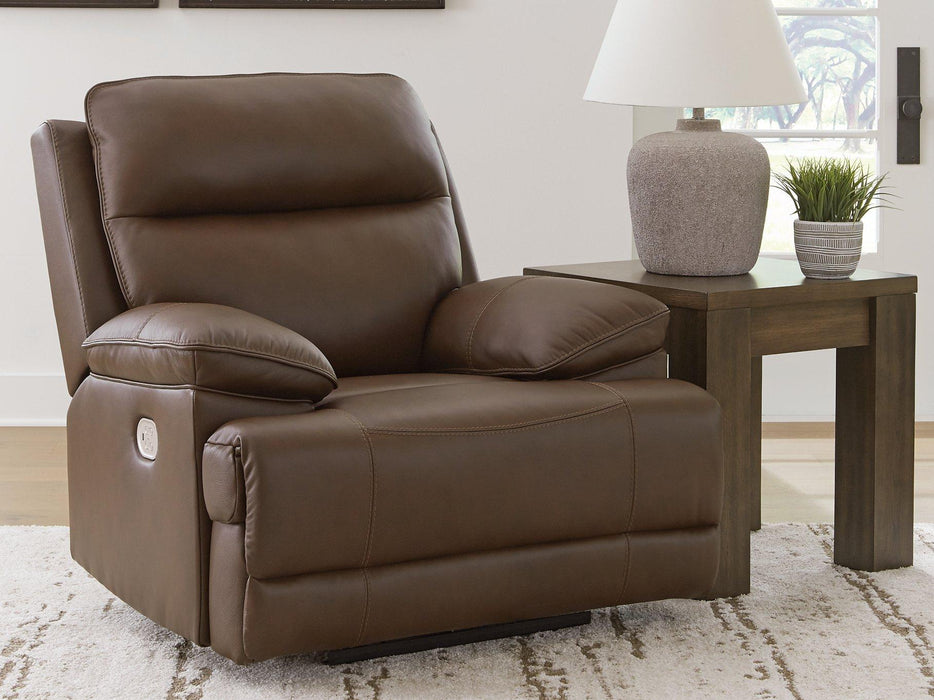
Get the recliner that helps you relax and unwind in comfort. MI Hometown Furnishings offers a selection of recliners designed for everyday use, combining comfort, support, and lasting quality. From classic recliners to modern power options, you’ll find choices that fit your space and how you like to relax.
Get the recliner that makes your living room more comfortable. Whether you’re watching TV, reading, or resting after a long day, the right recliner can make every moment at home more enjoyable.