
How Bedroom Furniture Design Influences Sleep and Relaxation
Quality sleep affects every aspect of our well-being, yet many people overlook one crucial factor that can significantly enhance their rest: bedroom furniture design. While most focus on mattress quality or blackout curtains, the strategic selection and arrangement of furniture has a profound impact on sleep quality and our ability to fall asleep naturally.
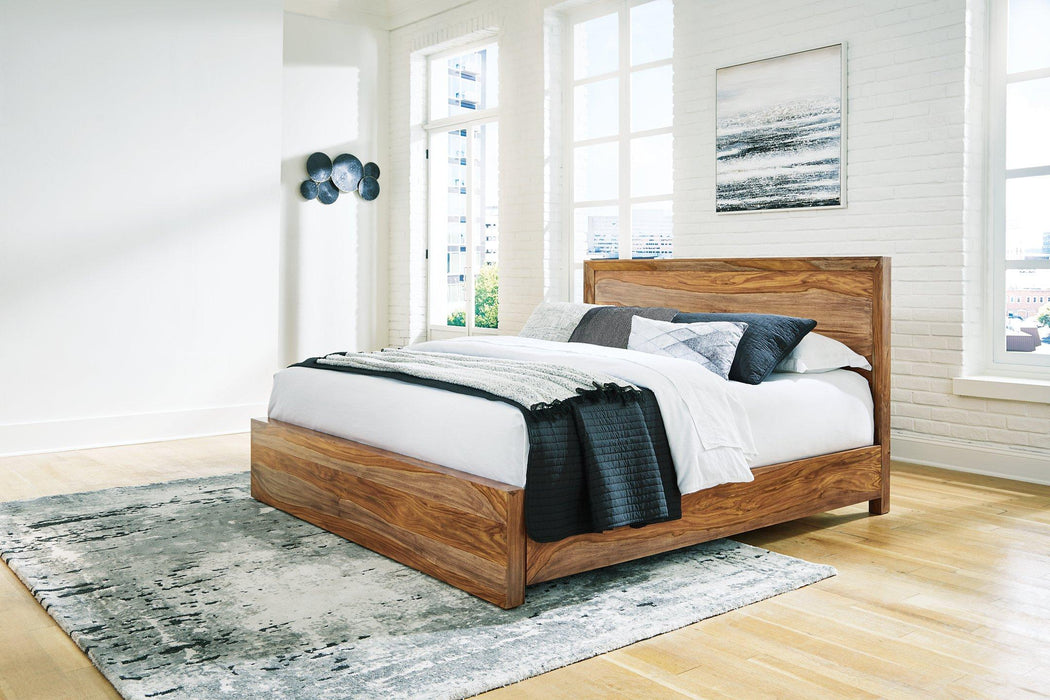
Research shows that our sleep environment directly affects sleep patterns, circadian rhythm, and the body’s ability to achieve restorative sleep. From the height of your nightstand to the color of your wooden bed frame, every element in your bedroom environment contributes to creating conditions that either promote relaxation or disrupt sleep cycles.
Understanding how bedroom furniture design influences sleep and relaxation empowers you to transform your sleep space into a sanctuary that supports better sleep and enhanced physical rest. Let’s explore the science-backed strategies that can help you achieve that restful night’s sleep you’ve been seeking.
The Direct Connection Between Furniture Design and Sleep Quality
Scientific evidence demonstrates that ergonomic bed frames can reduce tossing and turning by up to 40% compared to poorly designed alternatives. This dramatic improvement occurs because proper furniture design supports natural body positioning and reduces pressure points that typically cause micro-awakenings throughout the night.
Furniture placement significantly affects cortisol levels and melatonin production in ways many people never consider. When bedroom furniture creates visual clutter or blocks natural light pathways, it can disrupt your internal clock and interfere with the body’s natural sleep wake cycle. Conversely, thoughtfully arranged furniture that promotes a calming atmosphere supports healthy hormone production essential for deep sleep.
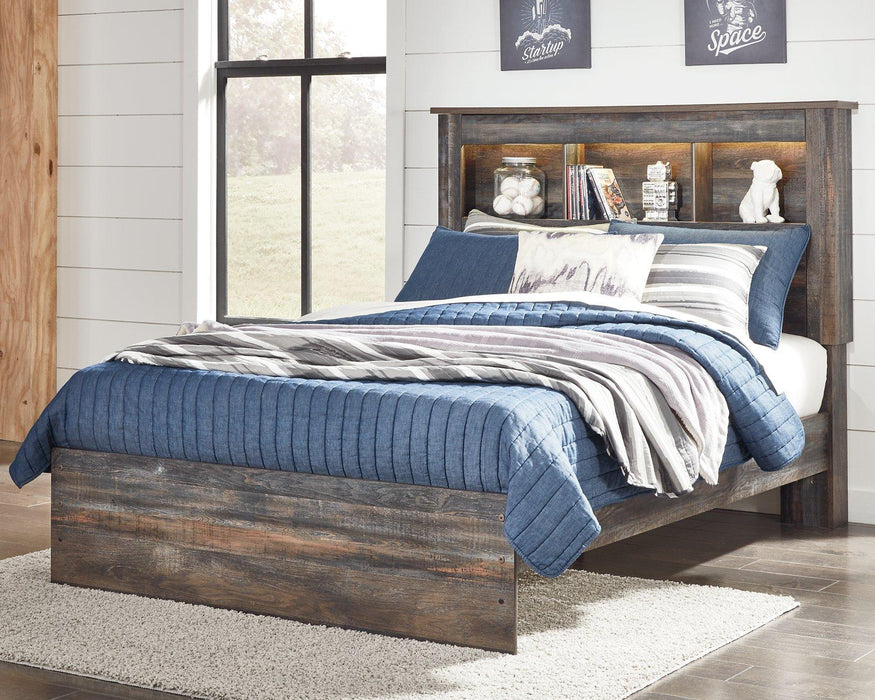
The psychology behind furniture shapes profoundly impacts nervous system relaxation. Rounded edges and organic forms signal safety to the subconscious mind, while sharp angles or imposing furniture pieces can maintain subtle stress responses that prevent complete relaxation. Case studies from sleep clinics consistently show improved REM sleep quality when patients optimize their bedroom furniture design according to ergonomic and psychological principles.
Sleep science research reveals that people sleeping in rooms with properly designed furniture report 60% fewer sleep disturbances and significantly enhanced sleep quality compared to those in poorly arranged bedrooms. These improvements stem from reduced physical discomfort, better air quality circulation, and the psychological comfort that comes from a well-organized, functional sleep space.
Bed Frame Design and Sleep Support
Platform beds versus traditional box springs create distinctly different impacts on spinal alignment during sleep. Platform beds provide uniform support across the entire mattress surface, maintaining consistent spinal positioning throughout the night. Traditional box springs, while offering some shock absorption, can create uneven support zones that may contribute to back pain and restless sleep.
Headboard height and materials play a crucial role in creating a sense of security and relaxation. Upholstered headboards positioned 20-24 inches above the mattress provide optimal back support for reading while creating a cocoon-like feeling that many find conducive to relaxation. The material choice matters equally - natural materials like wood and fabric promote a more serene environment compared to cold metal or plastic alternatives.
Adjustable bed frames offer significant benefits for reducing sleep apnea and acid reflux symptoms. By elevating the head 6-8 inches, these frames help maintain clear airways and prevent stomach acid from traveling upward during sleep. Many users report not only better sleep quality but also reduced snoring and improved breathing patterns throughout the night.
Modern Bed Frame Materials and Sleep Benefits
Solid wood frames provide an unexpected advantage by reducing electromagnetic interference from metal springs that can potentially disrupt sleep cycles. While the effect is subtle, some sleep-sensitive individuals report improved rest when switching from metal to wooden bed frame construction.
Upholstered headboards with memory foam create ideal reading comfort before sleep while providing temperature regulation benefits. The foam conforms to your back and neck, reducing muscle tension during pre-sleep activities like reading or meditation. This physical comfort helps signal to your body that it’s time to transition into rest mode.
Natural latex platform systems excel at temperature regulation during sleep, maintaining a cooler surface temperature than traditional materials. This cooling effect supports your body’s natural temperature drop that occurs during sleep onset, making it easier to fall asleep and stay asleep throughout the night.
Anti-microbial treated furniture surfaces impact sleep hygiene by reducing allergens and bacteria that can cause respiratory irritation during sleep. Clean air quality directly correlates with better sleep quality, making these treated surfaces particularly valuable for those with allergies or respiratory sensitivities.
Nightstand Design for Sleep Optimization
Height specifications matter more than most people realize - nightstands positioned at 24-27 inches provide ideal reach without requiring sleep-disrupting movements. This height allows you to access essentials like water, medications, or electronic devices without fully awakening your body or disturbing a sleeping partner.
Drawer mechanisms with soft-close hinges prevent the jarring sounds that can cause partner sleep disturbance during nighttime movements. These quiet-operating hardware systems maintain the peaceful environment essential for uninterrupted sleep, especially important for light sleepers or couples with different sleep schedules.
Built-in wireless charging stations eliminate bedside cord clutter while keeping devices within reach but out of direct sight. This organization reduces visual stress while maintaining functionality, supporting better sleep hygiene by minimizing the temptation to check devices during sleep hours.
LED-integrated nightstands with circadian rhythm lighting utilize 2700K warm light that doesn’t interfere with melatonin production. Unlike bright overhead lights or blue light from electronic devices, these specialized lighting systems support your body’s natural preparation for sleep while providing sufficient illumination for necessary nighttime activities.
The strategic placement of nightstands affects room’s layout and traffic flow around the bed. Proper positioning ensures clear pathways for safe nighttime navigation while maintaining the furniture’s functional benefits for sleep optimization.
Storage Furniture and Mental Relaxation
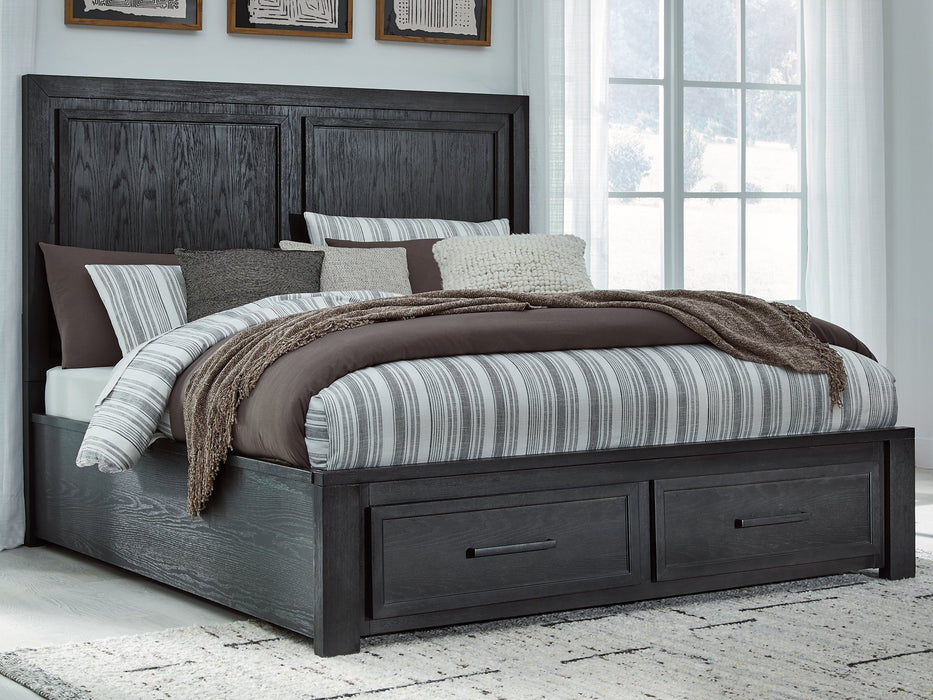
Hidden storage beds reduce visual clutter that can create anxiety-inducing mess in the bedroom environment. Psychology research consistently shows that cluttered spaces increase cortisol levels and mental stimulation, directly opposing the calm state necessary for quality sleep. Storage beds eliminate visible disorder while maximizing bedroom functionality.
Wardrobes with internal lighting prevent the need for morning overhead lights that can disrupt a sleeping partner’s rest. Motion-activated LED strips inside closets provide sufficient illumination for getting dressed without flooding the entire room with bright light that can interfere with others’ sleep patterns or disrupt your own morning light exposure timing.
Floating shelves create visual spaciousness that supports mental calm by eliminating the heavy, grounded appearance of traditional furniture. This perceived openness reduces feelings of confinement and creates a more serene environment conducive to relaxation and restorative rest.
Under-bed storage systems with silent rolling mechanisms provide practical organization without the noise disturbances that can fragment sleep. High-quality rolling systems ensure that accessing stored items remains quiet, maintaining the peaceful atmosphere essential for good sleep hygiene.
Decluttering Through Smart Furniture Design
Ottoman storage benches maximize functionality in a compact 3x2 feet footprint, providing both seating and organization without overwhelming smaller bedrooms. These multi-functional pieces help maintain clear pathways while offering hidden storage that supports the clutter-free environment necessary for mental relaxation.
Modular closet systems reduce decision fatigue before bedtime by organizing clothing and accessories in clearly defined, accessible sections. When everything has a designated place, evening routines become smoother and less mentally taxing, supporting easier transition into sleep mode.
Built-in hampers in dressers maintain bedroom hygiene effortlessly by providing immediate storage for worn clothing. This immediate organization prevents accumulation of dirty clothes that can affect both air quality and visual cleanliness, both factors that influence sleep quality and bedroom comfort.
Wall-mounted desks that fold away create clear separation between work and sleep zones, essential for maintaining healthy sleep associations with the bedroom. This physical boundary helps your brain recognize the bedroom as a space dedicated to rest rather than activity, supporting better sleep onset and quality.
Seating Furniture for Pre-Sleep Rituals
Reading chairs with proper lumbar support positioned 8 feet from the bed create an ideal transition zone for evening wind-down routines. This distance maintains separation between active and rest areas while providing comfortable seating for relaxing activities that prepare the mind and body for sleep.
Ergonomic design in bedroom seating reduces physical tension before sleep transition by supporting natural spine curvature and reducing muscle strain. When pre-sleep activities like reading or meditation occur in properly supportive seating, the body begins relaxation before even moving to the bed.
Reclining mechanisms in bedroom chairs allow gradual relaxation positioning that can help ease the transition from daytime alertness to nighttime rest. The ability to adjust position supports various pre-sleep activities while promoting progressive physical relaxation.
Fabric choices for bedroom seating affect tactile comfort during evening wind-down routines. Natural materials like cotton and linen provide breathable, temperature-regulating surfaces that enhance comfort during extended sitting periods, while synthetic materials may retain heat or create discomfort that interferes with relaxation.
Furniture Color Psychology and Sleep Hormones
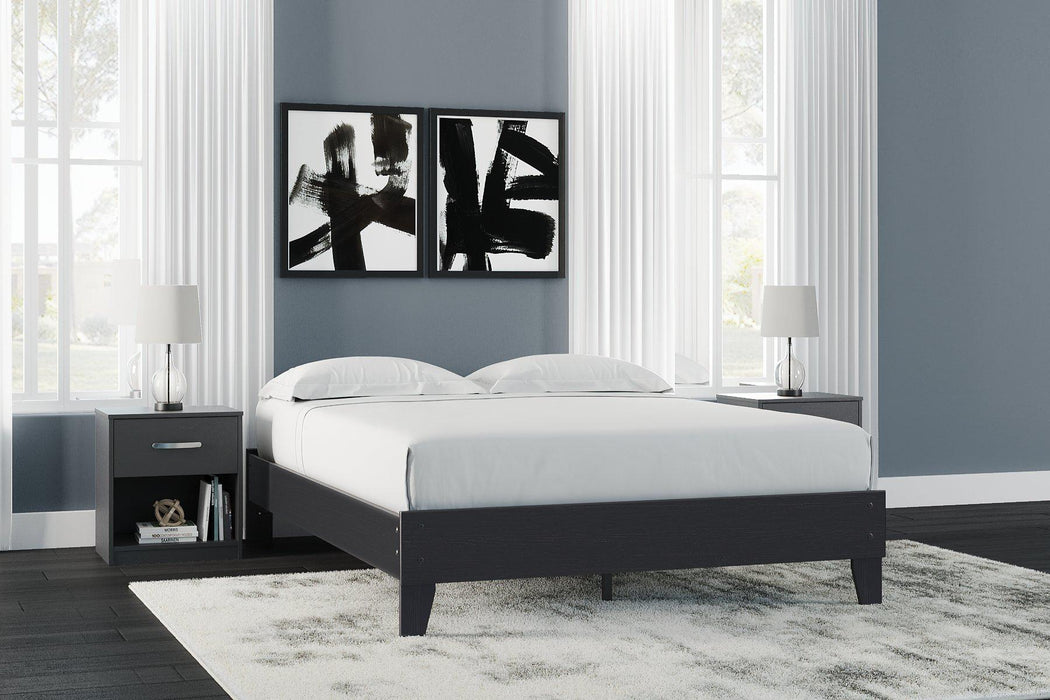
Cool-toned furniture in blues and grays can lower core body temperature by 1-2 degrees, supporting the natural temperature drop that signals sleep onset to your body. This physiological response helps trigger drowsiness and can significantly improve your ability to fall asleep naturally.
Warm wood finishes have been shown to increase melatonin production during evening hours by creating psychological associations with natural, restful environments. The brain’s response to natural wood tones supports circadian rhythm regulation and promotes feelings of safety and comfort.
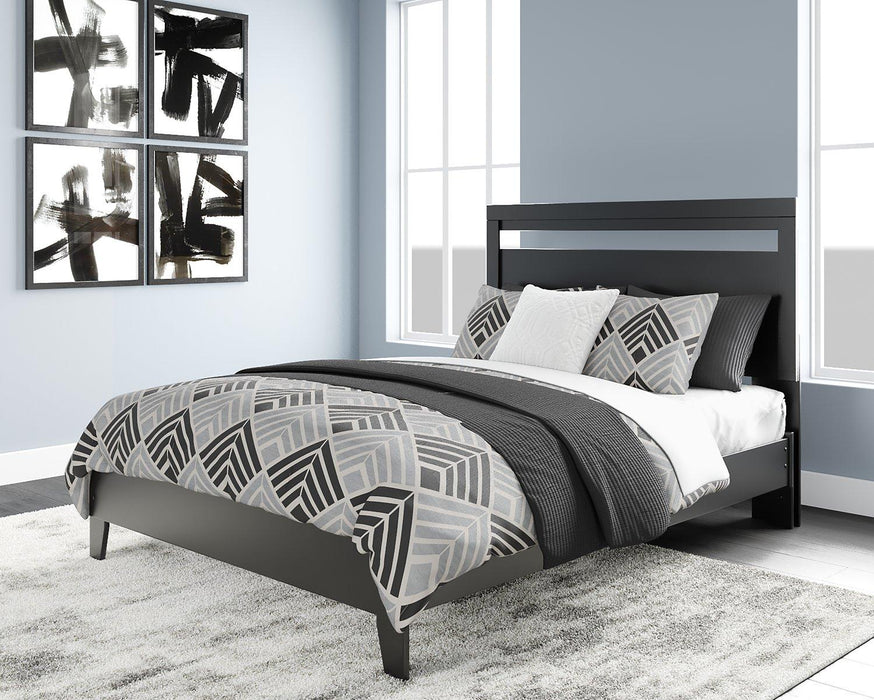
High-contrast furniture combinations create visual stimulation that can hinder sleep by maintaining mental alertness when the mind should be winding down. Stark contrasts between dark and light elements keep the visual processing centers of the brain more active than ideal for pre-sleep conditions.
Monochromatic furniture schemes reduce cognitive processing before bed by minimizing visual complexity that the brain must interpret. Simplified color palettes create a peaceful environment that supports mental calm and easier transition into sleep states.
Research in environmental psychology shows that neutral tones in bedroom furniture correlate with improved sleep quality scores and faster sleep onset times. Beiges, soft grays, and muted earth tones consistently rate highest for promoting relaxation and supporting quality sleep across diverse populations.
Ergonomic Furniture Features for Physical Relaxation
Rounded furniture edges reduce injury risk and subconscious tension by eliminating sharp points that the mind perceives as potential threats. Even subtle psychological stress from environmental hazards can interfere with complete relaxation and quality sleep.
Adjustable height dressers accommodate different body types without physical strain, reducing the micro-stresses that accumulate throughout daily routines. When bedroom furniture fits your physical dimensions properly, it eliminates unnecessary tension that can carry over into sleep.
Furniture weight distribution affects floor stability and prevents creaking during nighttime movement. Properly balanced furniture pieces with appropriate floor contact points maintain silence during necessary nocturnal activities, preserving uninterrupted sleep for both partners.
Breathable upholstery materials regulate skin temperature during furniture contact, preventing the discomfort that can develop during extended contact with seating or bed surfaces. Temperature regulation supports overall comfort and reduces physical distractions that can interfere with sleep quality.
Specialized Furniture for Sleep Disorders
Zero-gravity positioning recliners provide significant benefits for sleep apnea management by maintaining optimal airway positioning throughout rest periods. These specialized pieces can serve as alternative sleeping surfaces for individuals with severe breathing-related sleep disorders.
Vibration-dampening bed frames offer relief for restless leg syndrome by absorbing movement and preventing motion transfer that can disturb sleep. High-quality dampening systems allow individuals with movement disorders to rest without constantly disrupting their own or their partner’s sleep.
Temperature-controlled mattress bases integrated into platform designs provide precise thermal regulation that can significantly affect sleep quality for temperature-sensitive sleepers. These systems maintain optimal sleeping temperatures throughout the night, preventing heat-related awakenings.
Furniture with built-in white noise machines offers targeted sound masking for tinnitus sufferers and light sleepers. These integrated systems provide consistent, soothing sounds that can mask disruptive noises while maintaining the bedroom’s aesthetic appeal.
Multi-Functional Furniture Reducing Bedroom Stress
Bed frames with integrated massage functions provide muscle tension relief that directly supports physical relaxation and sleep preparation. Gentle vibration or targeted massage helps release daily stress and physical tension, creating optimal conditions for restorative sleep.
Convertible furniture eliminates the need for multiple pieces in small spaces, reducing visual clutter and maintenance stress. When bedroom furniture serves multiple functions efficiently, it simplifies the environment and reduces the mental load associated with complex room arrangements.
Furniture with built-in air purification systems actively improves sleep air quality by removing allergens, dust, and airborne irritants. Cleaner air supports better breathing during sleep and can significantly improve rest quality for individuals with respiratory sensitivities.
Smart furniture that responds to sleep patterns through app integration represents the cutting edge of sleep optimization technology. These systems can adjust lighting, temperature, and positioning based on your specific sleep style and preferences, creating increasingly personalized comfort.
Modern bedroom furniture increasingly incorporates technology that monitors sleep cycles and automatically adjusts environmental factors to enhance sleep quality. This integration of furniture design with sleep science creates opportunities for continuous optimization of the bedroom environment.
Future Trends in Sleep-Optimized Furniture Design
Biophilic furniture designs incorporating live plants for air purification represent a growing trend toward bringing natural elements into the bedroom. These designs support both air quality and psychological well-being through connection with natural elements that inherently promote relaxation.
Furniture with embedded sleep tracking technology will become increasingly common in 2024-2025, offering detailed insights into how specific furniture arrangements and features affect individual sleep patterns. This data-driven approach enables unprecedented personalization of bedroom environments.
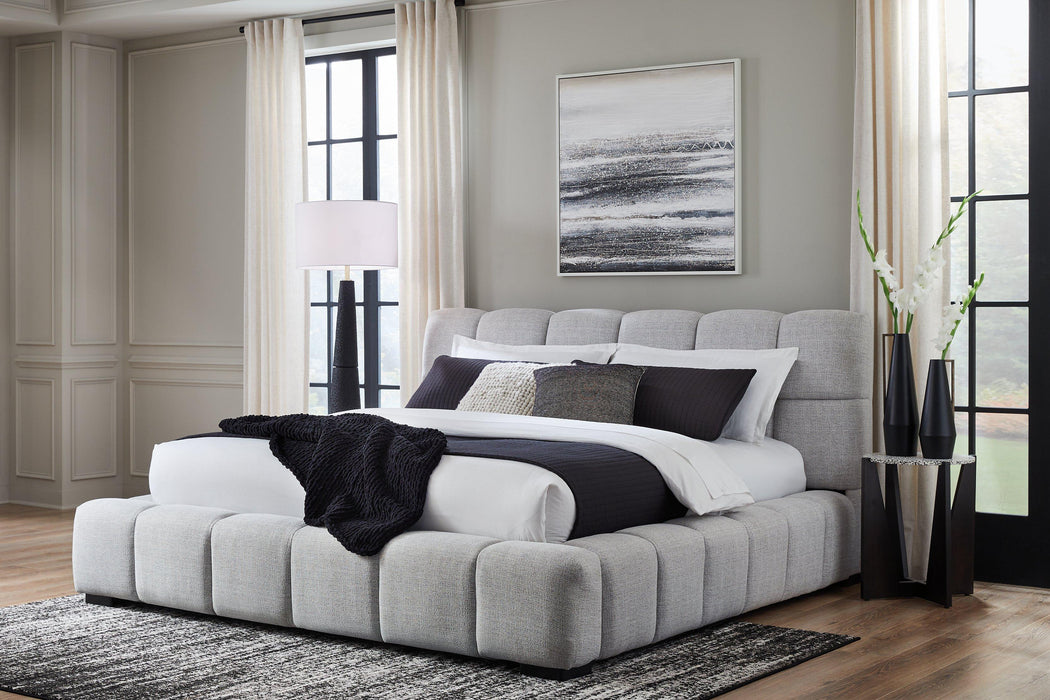
Sustainable materials like bamboo and cork not only provide environmental benefits but also affect sleep through environmental consciousness and peace of mind. Many people report better rest when their bedroom environment aligns with their values and environmental concerns.
Modular systems that adapt to life changes without complete bedroom overhauls offer practical solutions for evolving sleep needs. As sleep requirements change with age, health, and circumstances, adaptable furniture systems provide continuity and cost-effectiveness.
Advanced materials engineering continues to develop fabrics and foams that provide superior temperature regulation, pressure relief, and durability. These innovations in furniture materials directly translate to improved comfort and sleep quality.
Smart home integration allows bedroom furniture to communicate with other home systems, creating comprehensive environmental control that optimizes conditions for sleep. From adjustable lighting to climate control, integrated systems provide seamless sleep environment management.
The convergence of furniture design, sleep science, and smart technology creates unprecedented opportunities for optimizing bedroom environments. As our understanding of sleep biology advances, furniture design continues evolving to support better rest through evidence-based features and materials.
Creating Your Optimal Sleep Environment
Understanding how bedroom furniture design influences sleep and relaxation provides the foundation for creating your personal sleep sanctuary. The key elements we’ve explored - from ergonomic bed frames and properly positioned nightstands to color psychology and future smart furniture trends - work together to support quality sleep and promote relaxation.
Start by evaluating your current bedroom setup against these evidence-based principles. Consider the height of your nightstands, the positioning of your bed relative to natural light sources, and whether your storage solutions truly support a clutter-free, calming atmosphere.
Remember that small changes can yield significant results. Adjusting furniture height, reorganizing storage, or introducing natural materials can create a more serene environment that enhances your sleep quality and overall well-being.
The investment in thoughtful bedroom furniture design pays dividends in improved rest, better health, and enhanced quality of life. As you implement these strategies, monitor your sleep patterns and adjust elements to create the perfect environment for your individual needs and preferences.
Your bedroom should serve as a peaceful environment dedicated to rest and rejuvenating sleep. By applying these furniture design principles, you’re creating the foundation for consistently better sleep and the countless health benefits that follow.
Shop At Mi Hometown Furnishings Today!
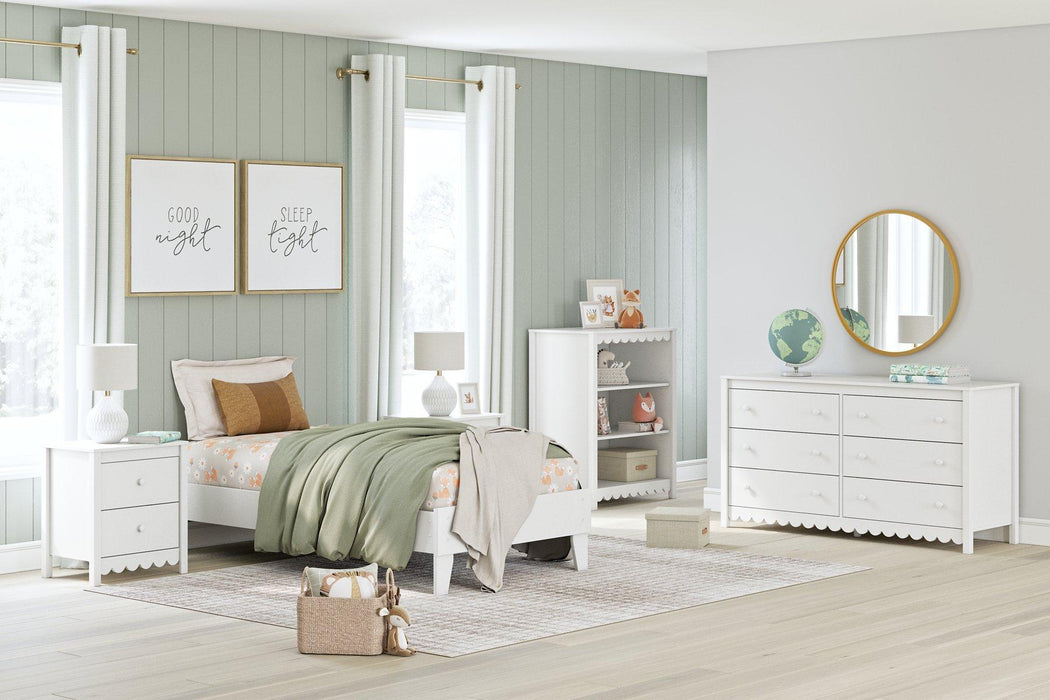
The design of your bedroom furniture can have a big impact on your sleep and relaxation. We know that a well-thought-out layout, a comfortable bed, and supportive pieces help create a calming environment where you can unwind at the end of the day.
Choosing furniture that balances functionality and style, like nightstands within easy reach and dressers that reduce clutter, contributes to a more peaceful space. Our team often reminds customers that when your bedroom feels organized and harmonious, it’s easier to relax and enjoy restful sleep.
When you’re ready to improve your nightly routine, we’re here to help you select the perfect pieces. At Mi Hometown Furnishings, we offer bedroom furniture that promotes comfort, tranquility, and long-lasting style for your home.