
When Should Outdoor Furniture Sets Be Moved to Reduce Sun Damage: Expert Tips
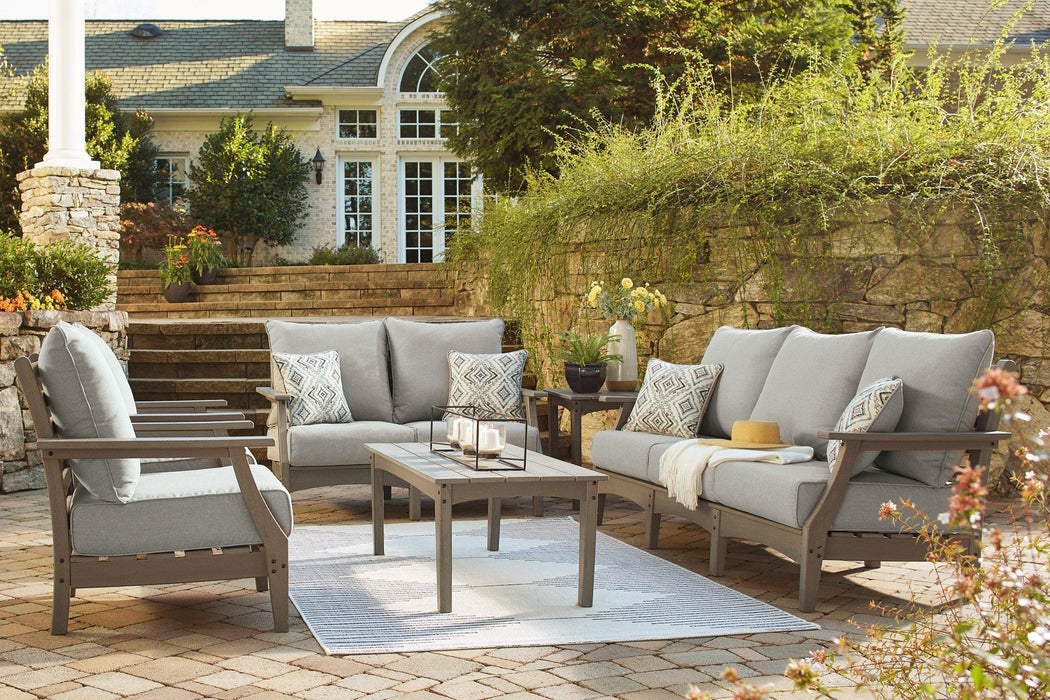
When should outdoor furniture sets be moved to reduce sun damage? To minimize sun damage, move your furniture during peak UV hours, which are typically between 10 a.m. and 4 p.m. This article will provide you with key strategies, including daily adjustments, seasonal positioning, and protective treatments to keep your outdoor furniture in top shape.
Key Takeaways
-
Sun exposure can significantly damage outdoor furniture, leading to fading and deterioration; protective measures such as using UV-resistant materials and applying protective coatings are essential.
-
Moving outdoor furniture to shaded areas during peak sunlight hours, rotating furniture regularly, and utilizing shade structures can minimize sun damage and extend furniture lifespan.
-
Regular cleaning and maintenance, along with storing furniture indoors during extreme weather, are crucial steps for preserving the quality and appearance of outdoor furnishings.
Understanding Sun Damage on Outdoor Furniture
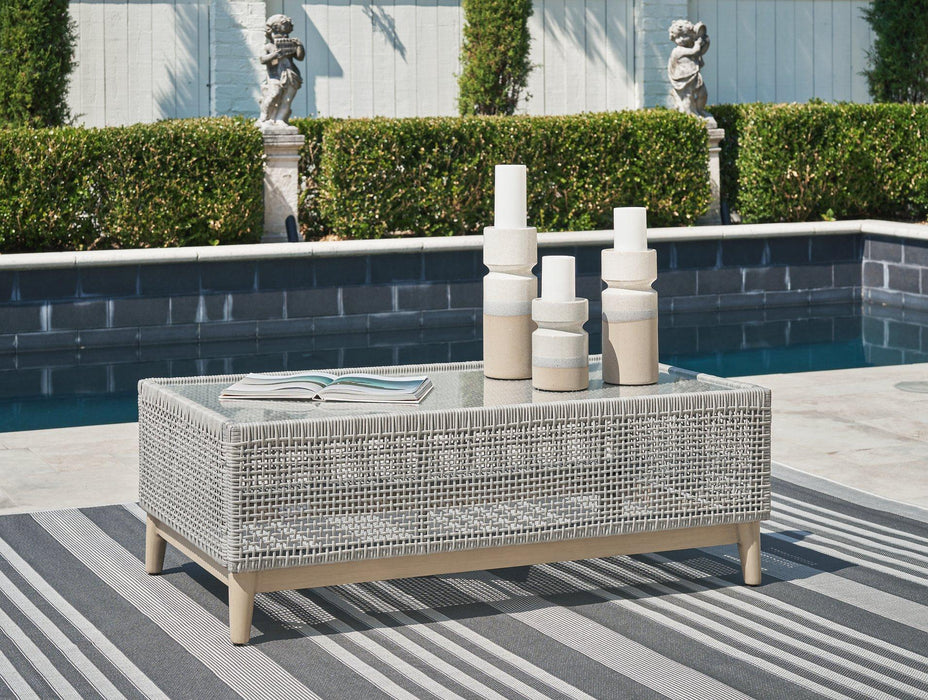
Sun exposure significantly affects outdoor furniture, causing fading, cracking, and deterioration over time. The intense UV rays from the sun are particularly harsh on outdoor furniture materials, leading to a loss of up to 30% of lifespan without proper protection. Outdoor furniture owners often notice that even the sturdiest pieces can degrade quickly if left exposed to the sun for extended periods. This includes not just wooden furniture but also plastic and metal furniture, all of which suffer under the relentless sun.
Preventive measures are essential to protect outdoor furniture from sun damage, which can occur in just one season if not addressed. Simple steps like keeping furniture in shaded areas and applying protective coatings can significantly extend its lifespan. It’s not just about aesthetics; it’s about ensuring that your outdoor living space remains functional and comfortable. For instance, wicker furniture and rattan furniture, known for their intricate designs, are particularly susceptible to sun damage. Understanding the causes and effects of sun exposure enables outdoor furniture owners to take proactive measures to protect their investments.
Taking care of your outdoor furniture is more than just a seasonal chore; it’s a year-round commitment. Regular maintenance can make a significant difference, including:
-
Cleaning your furniture regularly
-
Applying sun protectants
-
Investing in high-quality furniture covers
-
Using UV-resistant materials
This practice helps maintain your perfect outdoor space as a retreat, free from the sun’s wear and tear.
Optimal Times to Move Outdoor Furniture
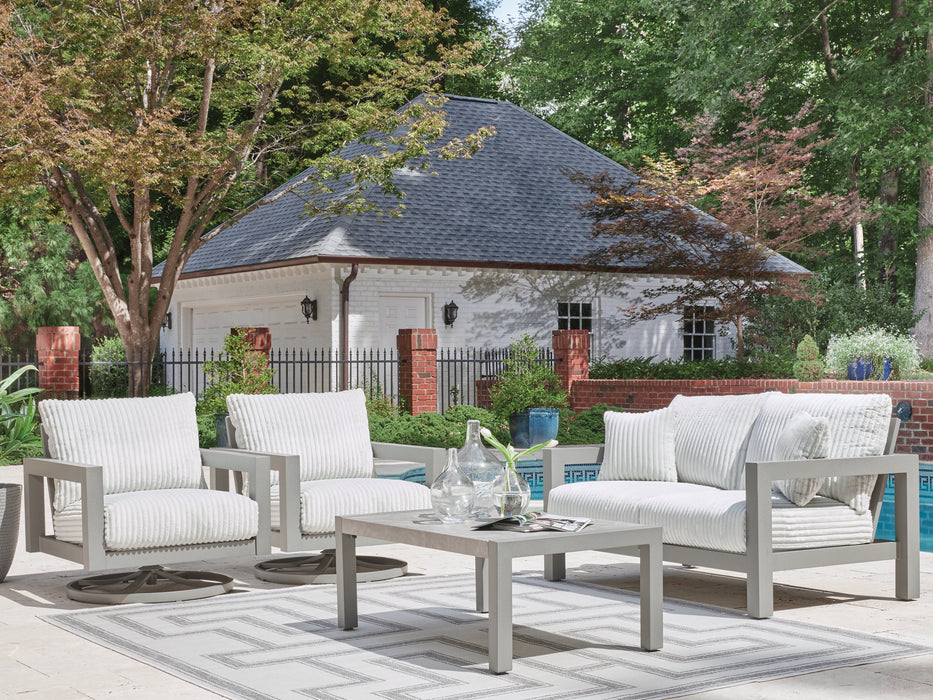
Knowing the best times to move outdoor furniture is crucial in minimizing sun damage. During peak sunlight hours, typically between 10 a.m. and 4 p.m., the UV rays are the most intense. This is when your outdoor furniture is most at risk of fading and deterioration. To protect your furniture, consider the following:
-
Move it out of direct sunlight during peak hours.
-
Position furniture under a shaded area.
-
Use movable umbrellas to provide immediate relief from the sun’s rays.
Seasonal changes also dictate when and how often furniture should be relocated to avoid excessive sun exposure. For instance, during the summer months, the sun’s path is higher in the sky, which means your patio furniture might need to be repositioned more frequently compared to the winter months when the sun is lower. Utilizing movable umbrellas or retractable awnings can help adjust the shade for your outdoor furniture as the sun moves throughout the day. This flexibility ensures that your outdoor setup remains protected regardless of the season.
In addition to daily adjustments, consider the long-term placement of your outdoor furniture. During the off-season, when you might not use your outdoor space as frequently, it’s wise to store furniture indoors or cover it with high-quality furniture covers. This not only protects your furniture from sun damage but also from other environmental factors like rain and snow.
Being mindful of when and where to position your furniture can significantly extend its lifespan and preserve the beauty of your outdoor living space.
Seasonal Shifts for Protecting Outdoor Furniture
Outdoor furniture requires specific seasonal maintenance to withstand changing weather conditions. Regular cleaning, such as monthly maintenance and deeper cleanings during seasonal transitions, helps to maintain outdoor furniture’s appearance and longevity. During spring and summer, clean off any pollen, dust, or debris that can accumulate on your furniture. Using a mild soap and water solution can effectively remove these contaminants without damaging the furniture materials.
Using a sun and water protectant shield outdoor furniture from fading and moisture damage, prolonging its life. These protectants act as a barrier, preventing UV rays and water from penetrating the surface of your furniture. This is particularly important for wooden furniture, which can crack and warp if exposed to excessive moisture. By applying protective coatings at the beginning and end of each season, you can ensure that your outdoor furniture remains in excellent condition throughout the year.
Protective covers can prevent fading, rusting, and damage from sunlight and varying weather conditions. High-quality furniture covers that are UV-resistant and waterproof provide the best protection. These covers should be used during periods of non-use, such as during heavy rainstorms or when the furniture is not in use for extended periods.
Considering these seasonal shifts helps outdoor furniture owners maintain the beauty and functionality of their space during the spring and summer months, ensuring it remains a perfect retreat year-round.
Daily Practices to Shield Your Outdoor Furniture
Positioning outdoor furniture in shaded areas such as under trees or porches helps minimize exposure to direct sunlight, thus reducing the risk of fading. Moving outdoor furniture out of direct sunlight can significantly reduce its fading and extend its lifespan. For instance, positioning your patio furniture under a large tree or a covered porch can provide natural shade, protecting it from the sun’s harmful rays. This simple practice can make a significant difference in the longevity of your furniture.
Establishing a routine for relocating furniture seasonally can help in maintaining its condition against the elements. Regularly moving your furniture based on the sun’s position and the season ensures that no single piece is exposed to the sun for too long. This practice not only helps in preventing sun damage but also keeps your outdoor setup looking fresh and inviting.
High-quality outdoor cushions made from performance fabric cushions provide additional sun protection for seating. These cushions are designed to withstand prolonged exposure to the sun without fading or deteriorating, making them an excellent investment for your outdoor living space.
Incorporating these daily practices into your routine can significantly enhance the lifespan of your outdoor furniture:
-
Moving furniture into the shade
-
Using high-quality cushions
-
Establishing a seasonal relocation routine. These actions can protect your furniture from the harmful effects of the sun. This practice guarantees your outdoor space remains a perfect oasis for relaxation and enjoyment.
Utilizing Shade Structures and Umbrellas
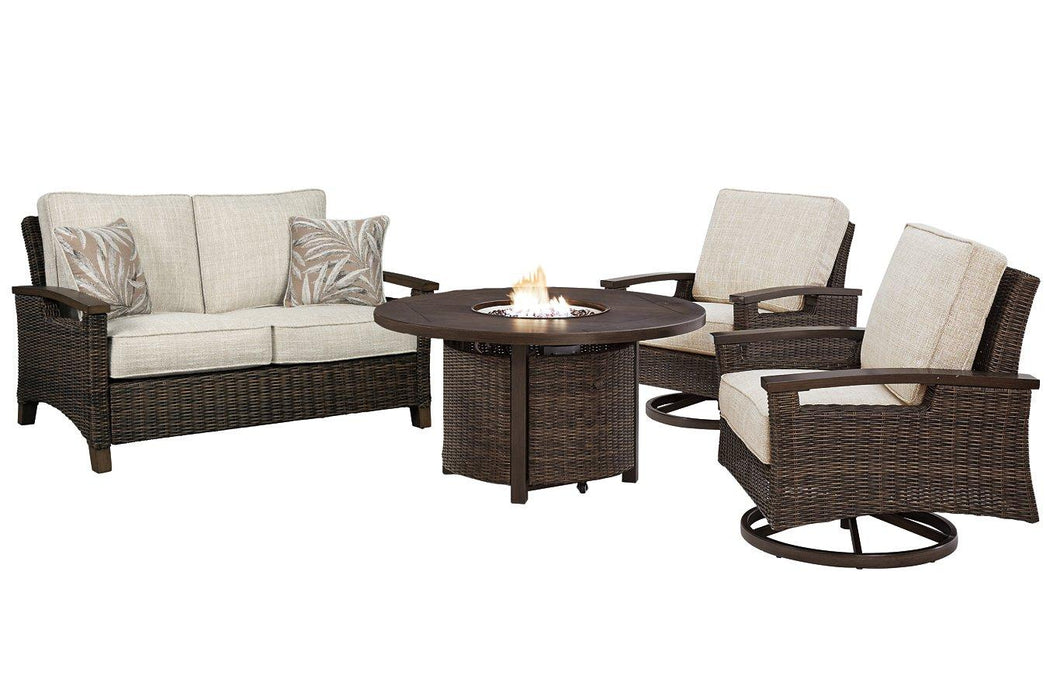
Shade structures can include pergolas, awnings, and umbrellas, all of which serve to protect furniture from direct sunlight. Utilizing outdoor umbrellas and retractable awnings allows for flexible adjustments of shade coverage based on the sun’s position. For instance, during the peak sunlight hours, you can open an umbrella or extend an awning to provide immediate shade for your outdoor furniture. This flexibility ensures that your furniture remains protected throughout the day.
Choosing light-colored fabrics for shade solutions helps reflect sunlight, thereby reducing heat absorption and enhancing protection. Light-colored fabrics are:
-
Stylish
-
Functional, as they reflect more sunlight than darker shades
-
Effective in reducing the amount of heat absorbed by the fabric, keeping your outdoor space cooler and more comfortable.
Strategic placement of shade structures can reduce direct UV exposure by up to 75%, serving as a first line of defense against intense sunlight. Placing shade structures in sun-exposed areas significantly reduces the risk of sun damage.
Portable shade options like pop-up canopies and gazebos offer flexibility that complements permanent structures and can be used for various outdoor occasions. These portable options are ideal for events or gatherings where you need temporary shade solutions. Multi-tiered shade structures can improve airflow and provide even better sun protection for outdoor spaces. Incorporating both permanent and portable shade structures ensures that your outdoor furniture remains protected regardless of the occasion.
High-Quality Covers for Maximum Protection
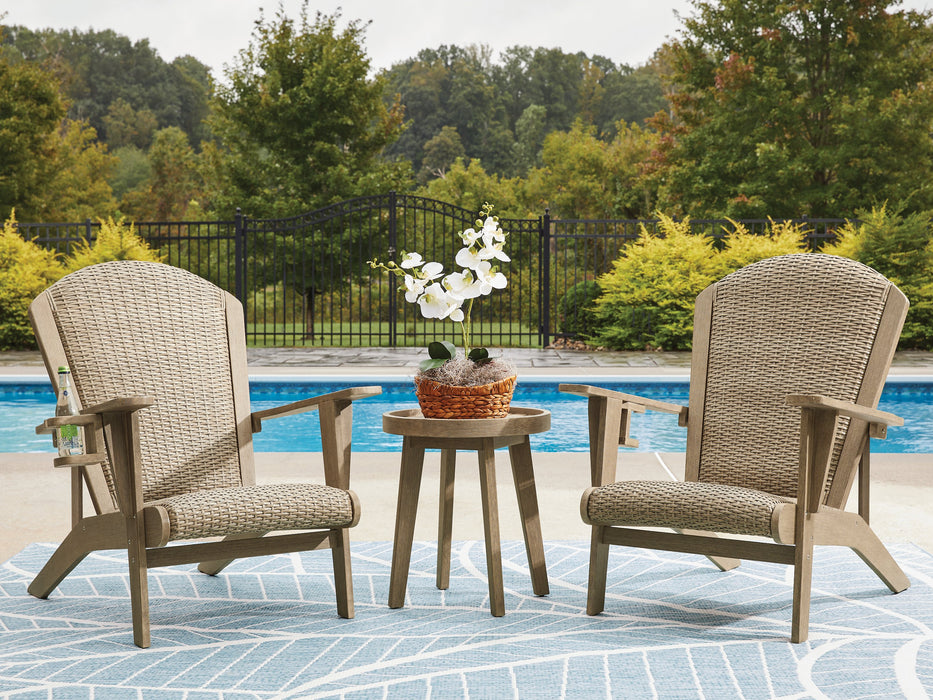
Using protective covers is crucial for shielding furniture from sun and environmental contaminants. High-quality covers should:
-
Be UV-blocking to protect against sun damage
-
Be made of breathable, waterproof polyester or marine-grade vinyl
-
Provide a comprehensive barrier against harmful UV rays, preventing them from penetrating the surface of your furniture Using these covers during periods of non-use can significantly extend the lifespan of your outdoor furniture.
Waterproof covers provide several important benefits for outdoor furniture:
-
They create a complete barrier against moisture, preventing water from penetrating and causing damage.
-
This protection is especially crucial in regions with heavy rain or snow, where water can cause mold, mildew, and other deterioration.
-
Secure straps and buckles help keep the covers in place during harsh weather.
-
These features ensure the covers remain securely fastened, offering optimal protection even during strong winds or storms.
Together, these features contribute to the longevity and material quality of outdoor furniture.
Customizable covers allow for tailored protection, matching specific furniture dimensions and aesthetic preferences. Choosing perfectly fitting covers ensures that every inch of your furniture is protected. This not only enhances the effectiveness of the covers but also maintains the aesthetic appeal of your outdoor space.
Investing in high-quality, UV-resistant covers, waterproof covers, and water resistant materials is one of the best ways to protect your outdoor furniture from the elements.
Rotating Furniture Regularly
Regularly rotating outdoor furniture helps to balance sun exposure, preventing uneven fading. The main benefit of rotating outdoor furniture is to ensure even sun exposure and prevent uneven fading. Regularly changing the position of your patio furniture ensures that no single piece is exposed to the sun for too long. This practice helps in maintaining the appearance and longevity of your furniture.
Rearranging patio furniture can help distribute sun exposure evenly, minimizing wear in specific areas. For instance, you can rotate your chairs and tables every few weeks to ensure that all sides are equally exposed to the sun. This not only prevents one-sided fading but also keeps your outdoor setup looking fresh and inviting.
Regularly changing the position of outdoor furniture enhances its lifespan by preventing one-sided exposure to sunlight. Incorporating this practice into your routine can significantly extend the life of your outdoor furniture.
It’s advisable to rotate outdoor furniture every few weeks, especially in direct sunlight, to maintain its appearance over time. This ensures your outdoor space remains a perfect oasis for relaxation and enjoyment. This simple yet effective practice is an excellent way to protect your investment and keep your outdoor furniture looking its best.
Indoor Storage During Extreme Weather
Storing outdoor furniture indoors during off-seasons provides maximum protection against UV exposure. For furniture with lower UV resistance, storing them indoors during off-seasons is a crucial strategy to avoid sun damage. This practice not only protects your furniture from the sun but also from other environmental factors like rain, snow, and extreme temperatures. At the end of summer, the suggested action for outdoor furniture is to store it indoors or in a covered area.
Before storing patio furniture, follow these steps:
-
Check for damage like cracks, loose screws, or worn finishes.
-
Thoroughly clean the furniture to avoid damages.
-
Clean and dry your furniture before storage to prevent mold, mildew, and other forms of deterioration.
-
Store cushions indoors in a dry area to prevent mold and deterioration. This ensures that your patio cushions remain fresh and ready to use when the next season arrives.
Indoor storage facilities often include enhanced security features, which can be beneficial for protecting valuable indoor furniture. These facilities provide a safe and secure environment to store your furniture indoors, ensuring it remains in excellent condition during the off-season. Taking these steps ensures that your outdoor furniture remains protected and ready for use when the weather improves, especially with proper storage.
Choosing Fade-Resistant Materials
Investing in UV-resistant furniture materials during manufacturing can greatly enhance durability. Sunbrella fabrics are designed to endure prolonged exposure to sun, rain, and humidity without losing their integrity. This makes them an excellent choice for outdoor cushions and covers. Teak wood is naturally resistant to UV damage and decay, making it an ideal choice for outdoor settings. Its natural oils provide a protective barrier that helps it withstand the elements.
Poly lumber, crafted from recycled plastics, is known for its superior fade resistance in direct sunlight. This material is not only environmentally friendly but also highly durable, making it a popular choice for outdoor furniture. Opting for lighter-colored furniture can mitigate fading, as these hues reflect sunlight better than darker shades. This simple choice can significantly reduce the risk of sun damage and keep your outdoor furniture looking vibrant for longer.
Choosing fade-resistant fabrics is essential for prolonging the life and appearance of outdoor furniture. Investing in high-quality materials designed to withstand the elements ensures that your outdoor space remains a perfect retreat year after year. This not only enhances the aesthetic appeal of your outdoor setup but also provides a more sustainable and long-lasting solution.
Applying UV-Protective Coatings
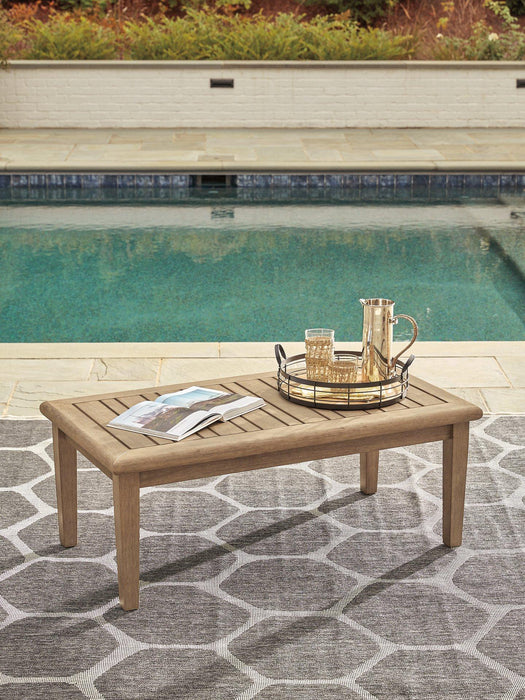
Applying UV protectant sprays can further safeguard furniture against harmful sun rays. These sprays act like sunscreen for your furniture, creating a protective barrier that prevents UV rays from penetrating the surface. Applying a UV protectant periodically can significantly enhance the furniture’s resistance to sun damage. This simple practice can make a significant difference in the longevity of your outdoor furniture.
The benefit of applying UV-protective sprays and sealants is that they slow fading and prevent material breakdown. These products should be applied once per season; every 6–12 months is recommended for wood furniture. Use a clear UV-protective spray on poly lumber every season. This will help maintain its quality and appearance. Following this schedule ensures that your outdoor furniture remains protected throughout the year.
Implementing UV protection coatings is essential for prolonging the lifespan and maintaining the integrity of outdoor furniture. Taking this proactive step ensures that your outdoor setup remains a perfect oasis for relaxation and enjoyment. This simple practice is an excellent way to protect your investment and reapply protective coatings to keep your outdoor furniture looking its best.
Regular Cleaning and Maintenance
Regular cleaning of outdoor furniture helps prevent damage from multiple factors, including sun exposure. The recommended cleaning routine is:
-
Use a mild dish soap and water solution.
-
Use a soft cloth to gently clean the surfaces of your furniture.
-
Remove dirt, dust, and other contaminants that can contribute to wear and tear.
This simple routine not only keeps your furniture looking good but also prolongs its lifespan by minimizing wear and tear.
For more thorough cleaning, it is advisable to use mild soap and water. Alternatively, a suitable cleaner tailored for the material can also be used. Harsh chemicals should be avoided when cleaning outdoor furniture as they can strip protective coatings, increasing vulnerability to UV rays. Specific cleaning methods should be considered for each material to avoid damage. For instance, wooden furniture might require a different cleaning approach compared to metal or plastic furniture. Using specific products for different materials enhances protection against damage from environmental factors.
To prevent mold and mildew growth, consider the following measures:
-
Keep furniture clean with a damp cloth.
-
Ensure furniture remains dry.
-
Apply a sun and water shield on outdoor fabrics to reduce the risk of deterioration caused by UV rays and moisture.
Incorporating these practices into your regular maintenance tips routine ensures that your outdoor furniture remains in excellent condition, providing a perfect outdoor living space for years to come.
Shop At Mi Hometown Furnishings Today!
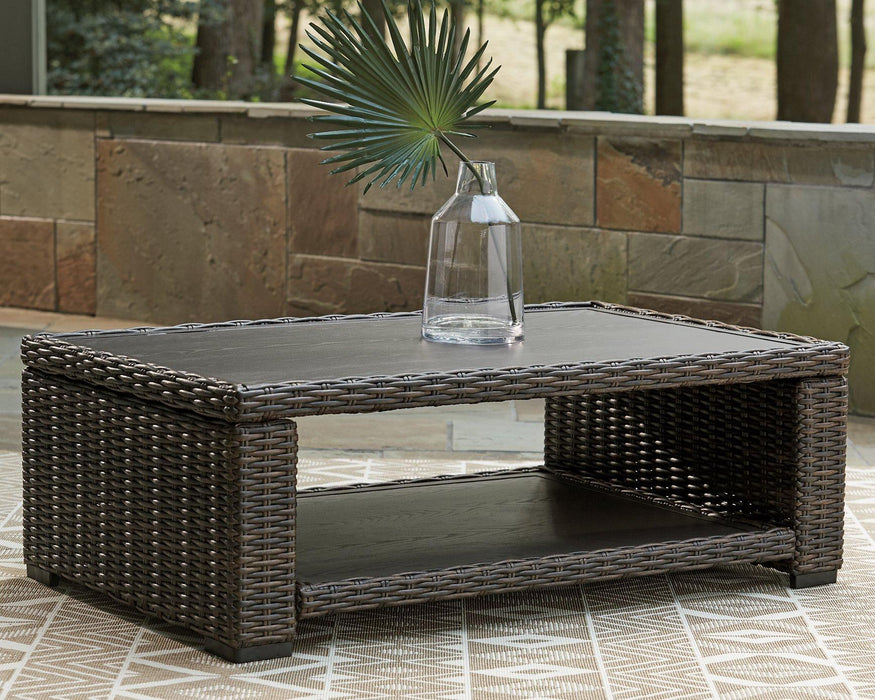
Mi Hometown Furnishings offers a wide range of high-quality home furnishings, including sofas, dining sets, and outdoor furniture. Our selection of outdoor seating sets is designed to enhance your outdoor living space, combining style and durability to withstand various weather conditions. Whether you’re looking for wooden furniture, metal furniture, or outdoor cushions, we have something for every taste and outdoor setting.
We provide personalized design services to help you create tailored furniture solutions that fit your unique space. By visiting our showroom, you can explore a variety of options and receive expert advice from our team, ensuring you select the perfect pieces for your outdoor area. Our outdoor furniture is not only stylish but also built for lasting performance, featuring qualities like fade resistance and easy maintenance so your patio remains beautiful and functional for years to come.
So why wait? Visit us at Mi Hometown Furnishings today and discover how our high-quality outdoor furniture can transform your outdoor oasis. Whether you’re shopping for outdoor dining sets, fire pits, or lounging options, we have everything you need to create the perfect patio setting. Protect your investment and enjoy the benefits of durable, stylish, and functional furniture that makes your outdoor space truly inviting.
Summary
In conclusion, protecting your outdoor furniture from sun damage is essential for maintaining its appearance and extending its lifespan. By understanding the effects of sun exposure and implementing strategies such as moving furniture during peak sunlight hours, utilizing shade structures, and applying UV-protective coatings, you can ensure your outdoor living space remains a perfect retreat. Seasonal maintenance, daily practices, and the use of high-quality covers and fade-resistant materials further enhance the protection of your outdoor furniture.
Remember, the key to preserving your outdoor oasis lies in proactive care and regular maintenance. By following the expert tips provided in this guide, you can protect your investment and enjoy a beautiful, functional outdoor space for years to come. So take action today and implement these strategies to ensure your outdoor furniture remains in top condition, providing a perfect setting for relaxation and enjoyment.
Frequently Asked Questions
How to stop furniture from fading in the sun?
To prevent furniture from fading in the sun, keep it out of direct sunlight and consider using window treatments like curtains or UV-filtering film. This combination effectively protects your furniture's color and vibrancy.
When should I move my outdoor furniture to reduce sun damage?
To effectively reduce sun damage, it is advisable to move outdoor furniture away from direct sunlight during peak hours, typically between 10 a.m. and 4 p.m. Additionally, adjusting the furniture's position with changing seasons can further protect it from prolonged sun exposure.
What are the best materials for fade-resistant outdoor furniture?
UV-resistant materials like Sunbrella fabrics, teak wood, and poly lumber are ideal for fade-resistant outdoor furniture, as they are engineered to endure prolonged sun exposure without degrading. Choosing these materials will ensure your outdoor furniture remains vibrant over time.
How often should I apply UV-protective coatings to my outdoor furniture?
You should apply UV-protective coatings to your outdoor furniture once per season, ideally every 6 to 12 months, to effectively prevent fading and material degradation. This regular maintenance will help keep your furniture in optimal condition year-round.
Why is indoor storage important for outdoor furniture during extreme weather?
Indoor storage is essential for outdoor furniture during extreme weather as it offers protection against UV damage, moisture, and temperature fluctuations. Properly cleaning and drying the furniture before storage further safeguards it from mold and deterioration.