
How to Mix and Match Furniture Without Worry
 You don’t need a perfectly matched set from the showroom floor to create a beautiful, put-together home. In fact, the most interesting living spaces in 2026 blend thrift finds, family heirlooms, and new furniture into rooms that feel collected and personal rather than staged. Many people worry about matching furniture styles, but mixing and matching is about more than just looks; it's about creating harmony and expressing your individuality. Your home should be a reflection of your journey and personality.
This guide will show you simple, repeatable rules so you can start mixing furniture styles today without stressing over mistakes. We’ll use real examples, think a grey slipcovered sofa paired with an oak dining table and a black metal floor lamp, rather than abstract design theory. Whether you’re working with a living room, bedroom, dining area, or small room, you’ll find concrete ideas you can apply this weekend.
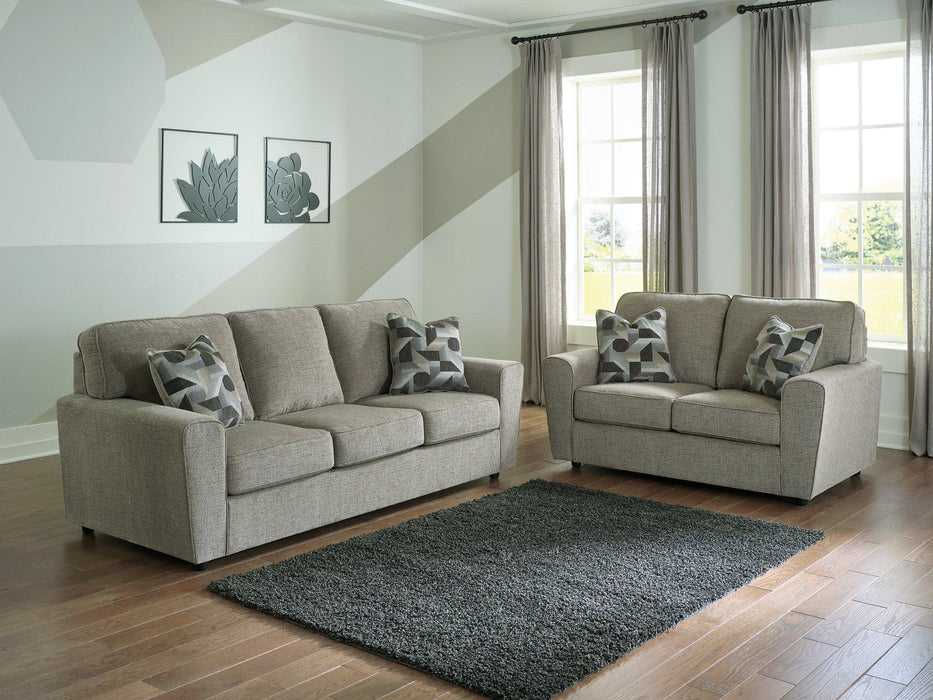
Introduction to Furniture Styles
Mixing furniture styles is where the magic of interior design truly comes alive. Every furniture style, whether it’s sleek modern, ornate traditional, rustic farmhouse, or breezy coastal, brings its own personality to a room. These styles are defined by their unique shapes, materials, and colors: think the clean lines of a mid-century sofa, the carved details of a classic armchair, or the natural textures of a rattan coffee table.
When you start mixing furniture styles, you’re not just filling a space; you’re creating a story that reflects your personal style. The key is to look for common threads that tie different pieces together. For example, a modern sofa in a soft blue fabric can look right at home next to a traditional wingback chair if both share a similar color palette or a complementary texture. This approach adds visual interest and depth, making your room feel layered and intentional rather than random.
Don’t be afraid to experiment with different shapes and materials. Mixing furniture is an art, and the best results come from blending what you love in a way that feels authentic to you. Whether you’re drawn to the simplicity of Scandinavian design or the boldness of industrial pieces, combining styles allows you to create a space that’s as unique as you are.
Do My Furniture Pieces Really Have to Match?
Full matching furniture sets were the default in the 1990s and early 2000s. You’d buy a sofa table, coffee table, and side table from the same collection, and everything would coordinate perfectly. The result? Rooms that looked fine but often felt like catalog pages rather than real homes.
Today, curated spaces with different furniture pieces are the norm. Studies show that about 70% of modern homes now feature mixed styles, up from 40% in 2000. This shift reflects a move toward personalization and sustainability. People want to keep heirlooms, incorporate secondhand finds, and express their personal style. Homeowners intentionally mix styles by combining different furniture pieces, materials, and design elements to create a curated and personalized space.
Here’s the key shift in thinking: “matching” matters less than harmony. Harmony comes from shared elements like color, proportion, and function, not from buying everything in the same wood finish. It’s about how pieces work together in the same room to create visual balance and cohesion.
Quick examples of successful mixes:
-
A traditional rolled-arm sofa with a modern round coffee table in black metal
-
A rustic reclaimed-wood console behind a clean-lined sectional
-
A mid-century walnut credenza paired with contemporary upholstered chairs
If your coffee table, TV unit, and bedside table are from different collections, that’s completely fine. The goal is visual connection, not identical origins. The goal of mixing furniture styles is to create a space that truly defines you.
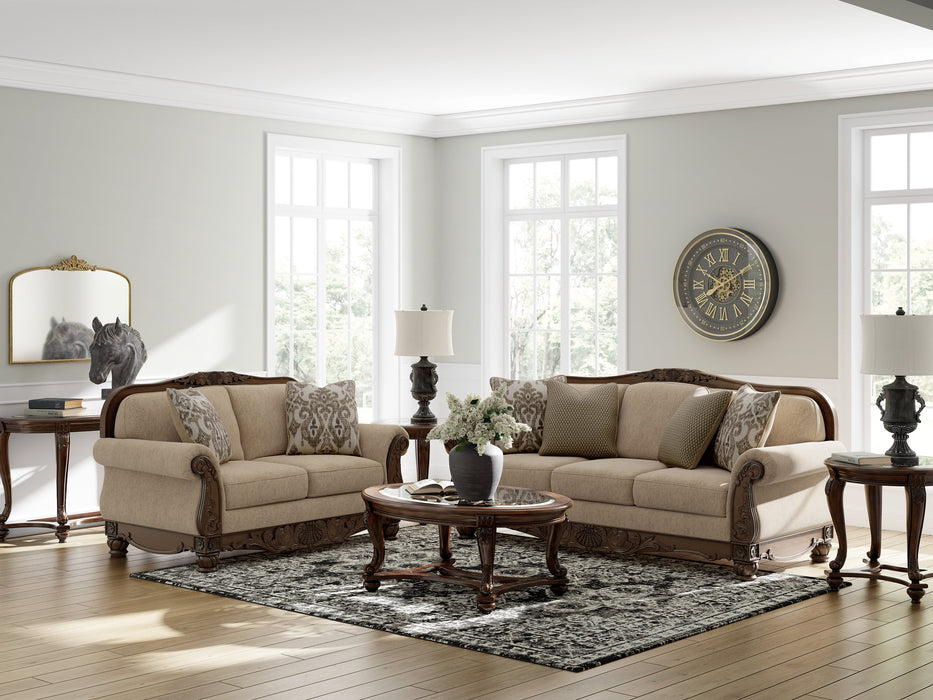
Step One: Choose Your Foundation Style (or Piece)
Every well-mixed room needs an anchor. You can choose either a dominant style (modern, coastal, farmhouse, boho) or one “hero” piece that sets the tone for everything else.
The 80/20 rule works well here: about 80% of your room leans toward one style, while 20% introduces contrast and visual interest. This proportion keeps the space cohesive without feeling matchy-matchy.
Practical approaches:
|
Anchor Type |
Example |
What It Does |
|---|---|---|
|
Dominant style |
Modern with clean lines |
80% of pieces share simple silhouettes; 20% adds warmth with vintage wood accents |
|
Hero piece |
Vintage carved dresser |
One statement item becomes the focal point; other pieces support it without competing |
|
Foundation furniture |
Low-profile linen sofa |
Neutral base allows for an eclectic mix of chairs, tables, and decor |
Try writing three words that capture the vibe you want, something like “light, relaxed, cozy” or “warm, collected, modern.” These words become a filter for every furniture decision you make going forward.
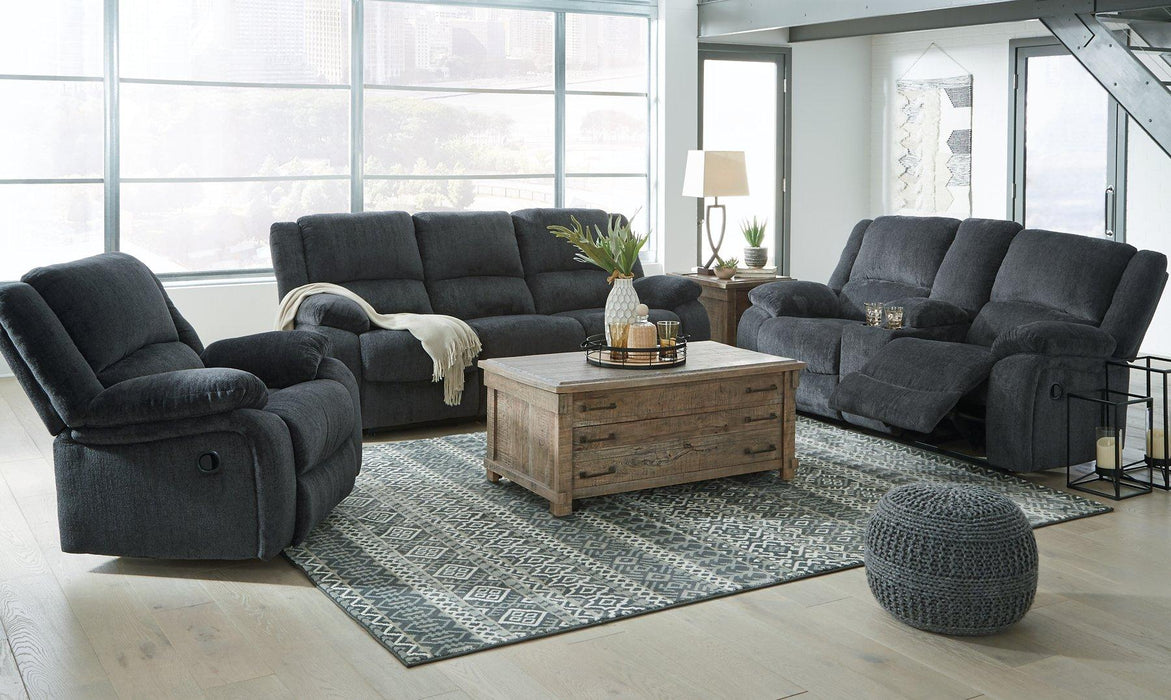
Color and Wood Tones: How to Avoid a Clashing Look
Furniture color harmony matters far more than having identical finishes or fabrics. When colors and wood tones work together, even wildly different styles feel disjointed only when undertones clash, not when styles differ.
Building Your Color Palette
Choose 3-5 colors and repeat them across the room. A simple distribution to follow:
-
60% dominant color (often walls and large furniture)
-
30% secondary color (upholstery, rugs, curtains)
-
10% accent color (throw pillows, art, small decor)
For example: white walls, a warm beige sofa, soft charcoal accent chairs, and muted green in pillows and plants. That palette can tie together a modern coffee table, a vintage sideboard, and contemporary metal lamps.
Wood Tone Guidelines
Wood finishes don’t need to match exactly, but their undertones should be consistent. Warm-toned woods (honey oak, cherry, walnut with red undertones) group naturally together. Cool-toned woods (grey-washed oak, ebony, ash) form their own family.
Successful wood pairings:
-
Light oak dining table + black metal chairs + walnut sideboard (warm base, one dark accent)
-
Dark walnut coffee table + cream sofa + natural jute area rug (warm woods, neutral buffer)
-
White oak nightstands + charcoal upholstered bed + brass lamp (cool wood, metal bridge)
A simple guideline: try not to introduce more than three different wood tones in one average-size room. Let one tone dominate while the rest play supporting roles.
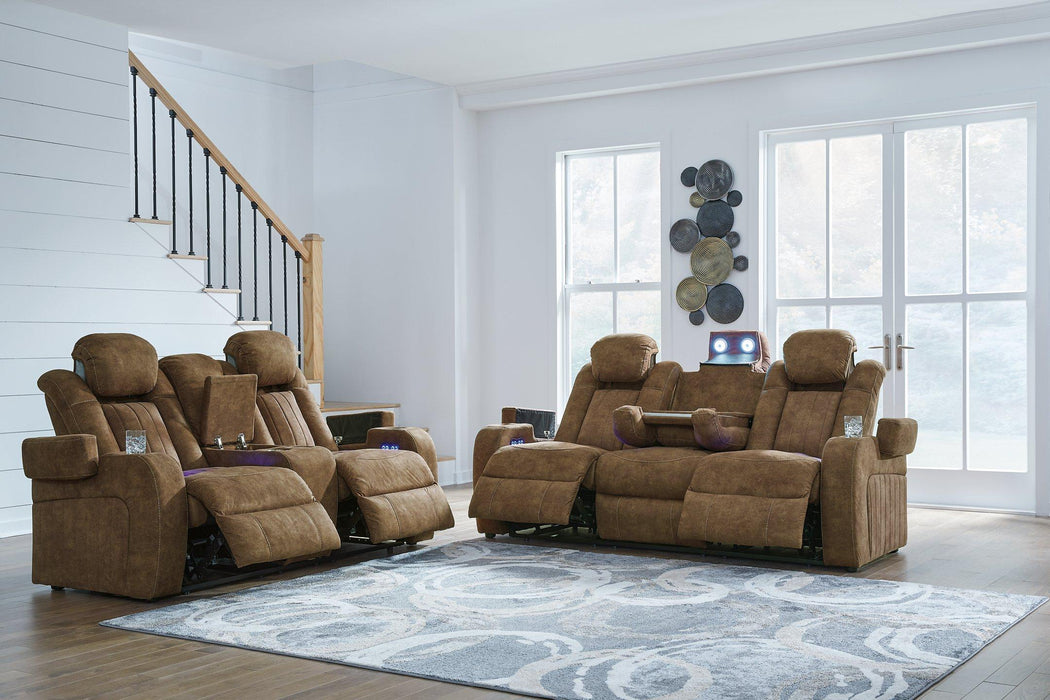
Mixing Materials, Textures, and Shapes with Confidence
Mixing different materials and textures is one of the fastest ways to add depth to a room without needing matching sets. The key is intentional repetition.
Material Combinations That Work
Limit your room to 3-4 primary materials, and make sure each appears at least twice. This creates rhythm without chaos. When selecting materials, also consider how they interact with other items in the room to ensure everything works together harmoniously.
|
Combo |
Pieces |
Repeated Element |
|---|---|---|
|
Leather + boucle + marble |
Leather sofa, boucle accent chair, marble-topped side table |
Add leather-bound books or a boucle throw |
|
Oak + black metal + woven |
Oak dining table, black metal chairs, woven pendant light |
Repeat metal in candle holders, woven texture in placemats |
|
Linen + rattan + glass |
Linen slipcovered sofa, rattan accent chair, glass coffee table |
Add a rattan tray on the coffee table, and linen curtains |
Balancing Shapes
Shapes matter just as much as materials. If your sofa is boxy and linear, introduce round elements like a circular coffee table or curved accent chair. If you have a round dining table, slim straight-back chairs create a nice contrast.
This balance of angular and curved pieces prevents any single shape from dominating the room.

Scale, Proportion, and Visual Weight
Scale refers to how big one piece feels next to another. Visual weight describes how heavy or light a piece appears in the space. A solid leather sofa has more visual weight than an open-legged rattan chair, even if they’re similar sizes.
Practical Scale Rules
-
Side tables should sit roughly level with the sofa arms
-
The coffee table length should be about two-thirds the length of the sofa
-
Nightstands work best at a similar height to the mattress top
-
Dining chairs shouldn’t tower over or look dwarfed by the table
Balancing Heavy Pieces
A hefty leather Chesterfield sofa can feel overwhelming. Balance it with lighter elements:
-
Open-legged armchairs (you can see the floor beneath them)
-
A glass-top coffee table
-
Slim metal floor lamps instead of chunky ceramic table lamps
-
An airy, woven pendant instead of a solid chandelier
The doorway test: Step back to the doorway and scan the room. If one corner feels crowded or too heavy compared to others, that’s your cue to swap pieces or adjust placement.
Furniture Sets and Collections: Breaking the Mold
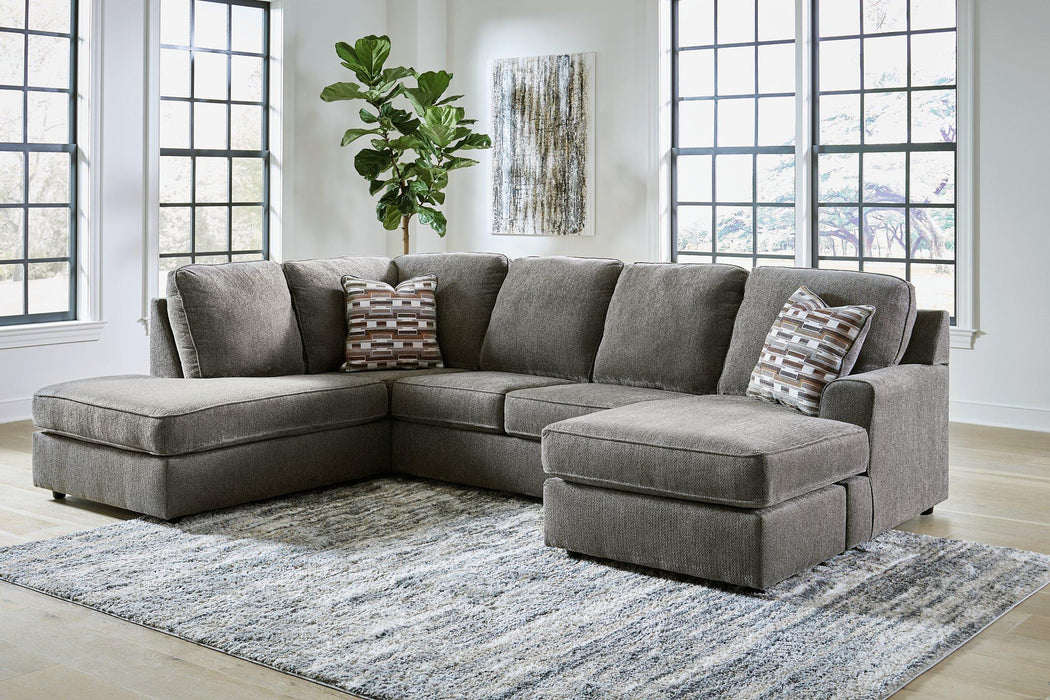
If you’ve ever felt boxed in by the idea that all your furniture needs to match, it’s time to break free from the old rules. The days of buying entire furniture sets, where every table, chair, and cabinet looks exactly the same, are behind us. Today’s most inviting rooms are built by mixing and matching furniture pieces that speak to your personal style.
When you mix furniture, think about how each piece contributes to the overall balance of the room. Consider the scale and visual weight: a large sectional sofa can anchor your living space, while a petite side table and a bold statement chair add variety and keep things interesting. This kind of thoughtful contrast creates a curated look that feels both intentional and full of character.
The beauty of mixing furniture pieces is that it gives you the freedom to play with different styles, shapes, and materials. Maybe you pair a glass coffee table with a vintage wood console, or mix a modern dining table with classic spindle-back chairs. The possibilities are endless, and the process should be fun! Try out different combinations, move pieces around, and see what feels right for your space.
Remember, the goal isn’t to achieve perfect matching, but to create a room that feels harmonious and uniquely yours. By breaking the mold of traditional furniture sets, you open up a world of creative possibilities and ensure your home truly reflects who you are.
Room-by-Room Mixing Ideas
Below are concrete, skimmable ideas for three key spaces. These suggestions work for layouts common in homes built between 1990 and 2020, including open-plan living areas, small bedrooms, and combined dining-living spaces.
Living Room: Sofas, Chairs, Tables, and Storage
-
Start with the sofa as your anchor. A light grey slipcovered sofa in a 12x16 ft living room sets a neutral base that works with almost any accent pieces.
-
Mix chair styles intentionally. Pair one low, armless accent chair in a patterned fabric with one wood-frame lounge chair with cushions. The variation creates seating options and visual interest.
-
A coffee table and media console don’t need to match. A round black metal coffee table works beautifully with a warm oak TV unit. The contrast feels collected, not random.
-
Blend storage across walls. A painted sideboard (like soft sage green) on one side of the room and a natural wood bookcase on the other creates balance without monotony.
-
Use repetition to tie it together. Same black metal on lamp legs and coffee table base. Same oak tone on the console and picture frames. These small echoes make different styles feel intentional.
Bedroom: Bed, Nightstands, Dressers, and Benches
-
Choose the bed first. An upholstered headboard in ivory linen creates a soft, modern base that welcomes various other pieces.
-
Mismatched nightstands work. Pair a three-drawer oak nightstand on one side with a smaller round pedestal table on the other. Unify them with matching lamps or keep heights similar.
-
Update a vintage dresser. A stained-wood dresser with new black hardware suddenly relates to modern metal accents elsewhere in the room.
-
Add a contrasting bench. A black metal bench with a tufted cushion at the foot of the bed, or a reclaimed wood bench, contrasts nicely with an upholstered headboard.
-
Repeat at least one element. Whether it’s a metal finish, wood tone, or fabric color, that single thread running through the bed, nightstands, dresser, and bench ties the eclectic mix together.
Dining Area: Tables, Chairs, and Cabinets
-
Treat the dining table as the central piece. A rectangular oak table in a 10x12 ft dining nook gives you flexibility with chairs and storage.
-
Mix chair styles. Four simple black spindle chairs plus two upholstered end chairs in a light fabric create a formal/casual balance and add personality.
-
A painted sideboard can work with different woods. A deep blue or warm taupe sideboard relates to a different-wood dining table if hardware or top colors echo metals elsewhere.
-
Different finish storage is fine. A glass-front cabinet or open shelving in a different finish works as long as the color palette links to other pieces in the room.
-
Combine seating materials. Woven seats, metal legs, and wood tops together create visual interest while feeling cohesive if colors repeat throughout the space.
Common Pitfalls and How to Avoid Them
Mixing furniture styles is an art, not a science, but some common mistakes make the learning curve steeper than necessary.
Buying without a plan. Random purchases without considering what you already own lead to rooms that feel disjointed. Before buying, save photos or create a simple digital mood board. It takes ten minutes and saves hours of frustration.
Too many statement pieces. A curved velvet sofa, a sculptural coffee table, AND bold patterned chairs in one small room create chaos. Every room needs some quiet pieces to let the interesting ones shine.
Ignoring layout basics. Doors and drawers must open fully. Walking paths need at least 30 inches of clearance. No amount of beautiful furniture matters if you’re constantly squeezing past obstacles.
Color scatter. One bright blue pillow used nowhere else in the room feels like a mistake. Repeat accent colors in at least 2-3 places, pillows, art, a throw blanket, and a decorative object.
Wall-hugging everything. Pushing every single piece flat against the wall makes average-size rooms feel oddly empty in the middle. Pull the sofa a few inches forward, float the dining table, and watch the space feel more balanced.
Easy Ways to Tie Everything Together at the End
Once your furniture is in place, textiles and styling do the final work of creating a cohesive look.
Textiles are your best friend. An area rug that pulls together your color palette can unify a sofa, chairs, and tables that have nothing else in common. Curtains, throw pillows, and blankets repeat colors and textures across mismatched pieces.
Simple styling tricks that work:
-
Matching lamp shades on different lamp bases
-
Similar frames on a gallery wall above mixed furniture
-
A single large rug anchoring assorted seating in an open-plan living space
-
Trays, vases, and books that echo metals, wood tones, or accent colors already in the room
Test and adjust. Take photos of the room from different angles; your phone camera reveals imbalances your eye might miss. Move things around until the mix looks intentional and balanced.
Remember, decorating with mixed pieces is an ongoing process. Your rooms can evolve over months or years as you find new treasures, swap out pieces that aren’t working, or simply change your mind about your personal style. That flexibility is the whole point.
Start with one room this week. Pick your anchor piece, define your color palette, and choose items that share at least one connecting thread. The rest is just fun experimentation, and unlike that matchy showroom floor look, the result will be a space that’s uniquely yours.
Get Your Living Room Furniture at MI Hometown Furnishings Today
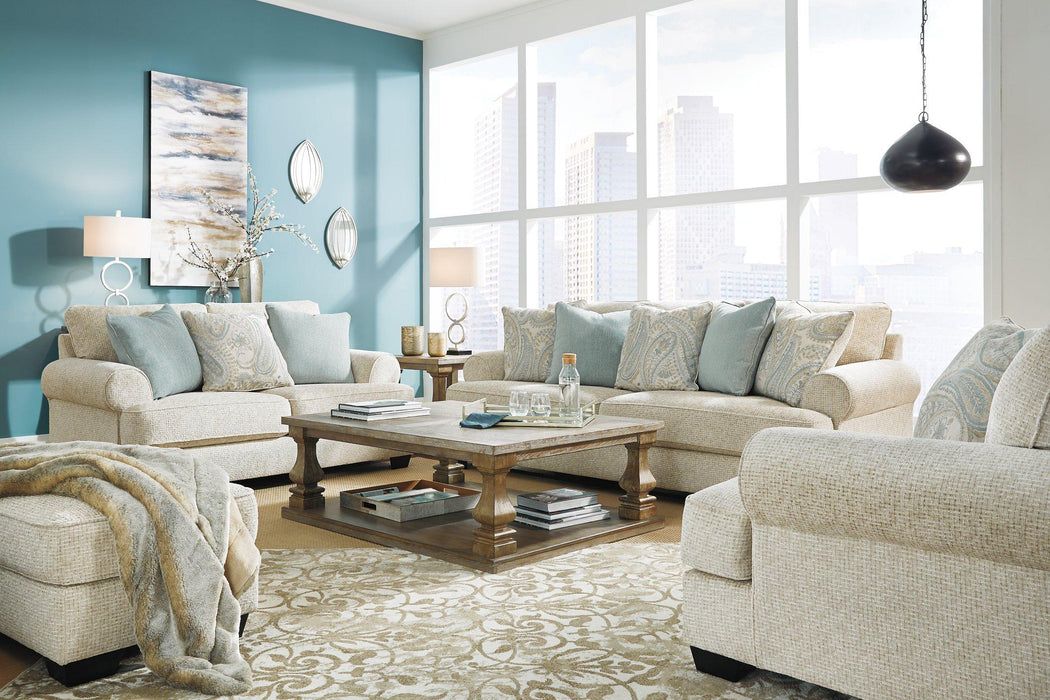
Your living room is the center of comfort, style, and everyday life. At MI Hometown Furnishings, our living room furniture collection includes sofas, sectionals, chairs, and accent pieces designed to fit your space and lifestyle. Each piece is crafted for durability, comfort, and practical use, helping you create a living room that is both inviting and functional.
Explore our living room furniture selection today and find the perfect pieces to refresh your home. Whether you’re updating a single item or furnishing the entire room, MI Hometown Furnishings offers options that combine style, comfort, and long-lasting quality.