
What Are the Standard Dimensions of Reclining Furniture When Fully Extended
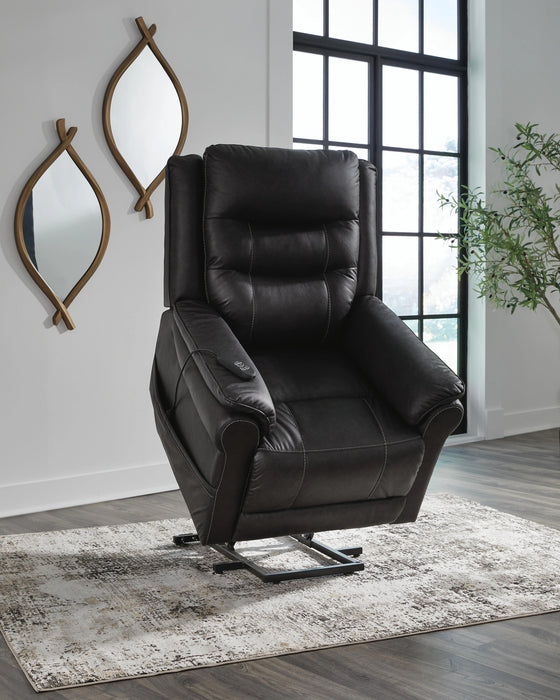
Reclining chairs typically require 12–18 inches of clearance behind the backrest plus 20–24 inches in front for the footrest to fully extend, meaning a standard 35–40-inch-deep recliner can demand up to 60+ inches of total depth when reclined completely.
Reclining furniture requires clearance planning beyond standard seating dimensions: fully extended recliners typically need 20–24 inches of front footrest space and 12–18 inches of rear clearance for the reclining mechanism. Homeowners and designers should measure these zones before placement. Footprint requirements shift significantly between upright and reclined positions in any room layout.
Key Takeaways
-
Reclining couches require 12–18 inches of clearance behind them for proper functionality and safe operation.
-
Footrests extend 20–24 inches forward when fully reclined, demanding adequate front-space planning before purchase.
-
Recliner sizing directly impacts comfort levels, spinal support quality, and overall living space usability.
-
MI Hometown Furnishings in Lowell, Michigan provides expert guidance on measuring recliners for individual spaces.
What Do You Need Before Measuring a Recliner?
Two tools matter most: a rigid tape measure and a clear plan for the wall space involved. A rigid tape measure offers more precise readings than a flexible fabric tape, which tends to sag or bend and skew the numbers. Precision at this stage prevents costly surprises later.
Skipping this step carries real consequences. Recliners that arrive without proper measurements often meet tight corners during setup, disrupt the room's layout, and force awkward furniture rearrangements after delivery. What looked like a simple purchase turns into a frustrating ordeal for homeowners and designers alike.
What's the First Measurement to Take?
Measuring the wall space comes first, before anything else in the room gets rearranged. Shoppers should measure the wall space and leave room to move around it; roughly 30 inches for walkways. This buffer keeps foot traffic clear. Protects the chair from being wedged into a spot too tight to recline comfortably.
What Tools Should Shoppers Gather First?
Before touching a tape measure to any wall, gather the right supplies. The following checklist covers the essentials:
-
Rigid tape measure: for accurate wall, depth, and width readings.
-
Notepad or phone: to record measurements immediately, before they're forgotten.
-
Painter's tape: to mark boundaries on the floor for a visual reference.
-
Walkway allowance: plan for at least 30 inches of clearance around the recliner's footprint.
Interior designers and first-time buyers who remain unsure about their numbers don't have to guess. Mi Hometown Furnishings welcomes shoppers who want a second opinion. A quick conversation with the showroom team can confirm whether a chosen recliner fits the intended space before delivery day arrives.
How Do You Measure Standard Reclining Furniture Dimensions?
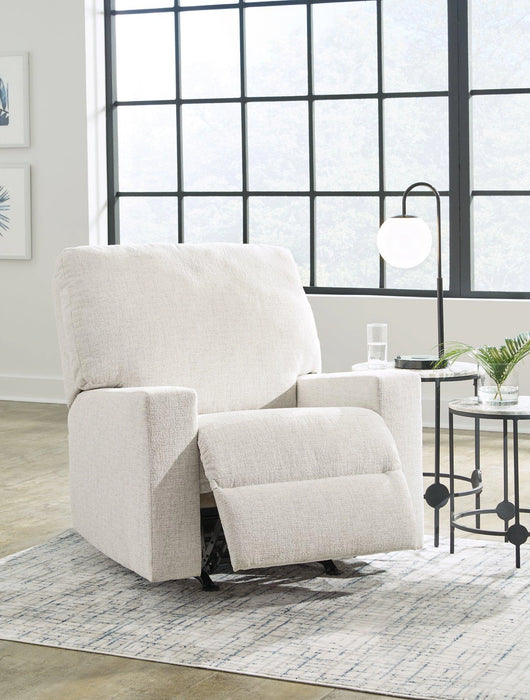
Accurate measurement starts with a tape measure, the chair's upright footprint, and a clear sense of the room's traffic flow. Skipping this step costs buyers more than embarrassment. A chair that's two inches too deep can block a doorway or crowd a walkway for years. Follow these steps in order to get reclining chair dimensions fully open before committing to a purchase.
-
Measure width first. Standard recliners run 33 to 40 inches wide upright, with general sizing guides confirming a similar 30- to 40-inch range.
-
Check upright depth. Most models measure 35 to 40 inches deep while sitting closed, before the footrest extends.
-
Record the height. Height typically falls between 40 and 43 inches, though some sizing charts extend that range to 50 inches for larger frames.
-
Note the fully extended footprint. These upright figures represent the standard dimensions of reclining furniture fully extended only in the closed position; the open position requires separate measurement against the wall and floor space.
-
Sit-test before buying. Cushion firmness and seat depth affect comfort as much as raw dimensions, so testing in person confirms the numbers translate to real support.
What Size Recliner Fits a Small Room?
Buyers working with tight square footage should prioritize models at the lower end of the width range, closer to 33 inches. Pairing a compact width with careful upright-depth measurement prevents the chair from overwhelming a small den or bedroom nook.
Does Recliner Height Affect Fit?
Height matters most for ceiling clearance and visual proportion in the room, not just floor space. A chair measuring toward the 50-inch upper range needs a taller wall or open sightline to avoid looking cramped.
Mi Hometown Furnishings carries Ashley Furniture recliners selected for a dependable balance of quality, comfort, and value. Staff also recommend measuring doorways and staircases the piece must pass through, plus choosing performance fabric or leather suited to households with kids and pets, before finalizing a purchase.
How Far Does a Recliner Extend When Reclined?
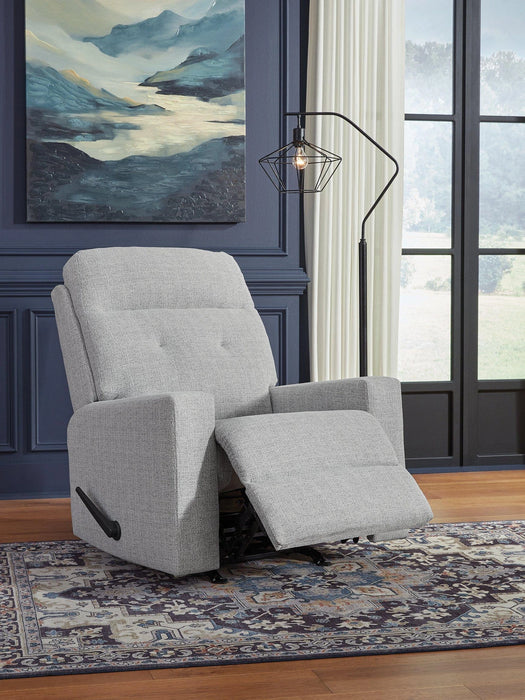
Depth nearly doubles once a recliner reaches full recline, compared to its upright measurement. This single fact explains why chairs that fit perfectly in a showroom sometimes end up jammed against a wall at home. The recliner fully extended depth matters more than the upright footprint when planning furniture placement. The footrest and reclining mechanism push the chair's overall length well past what shoppers see on the display floor.
Understanding the standard dimensions of reclining furniture fully extended protects against two costly outcomes: a chair that can't fully open, or a room layout that leaves no walking path once the footrest is out. Shoppers who skip this step often discover the problem only after delivery, when the piece is already through the door.
Tall shoppers face an added wrinkle. Anyone over six feet should look for a seat depth of 22 to 24 inches. A backrest measuring 45 inches or more. Standard sizing rarely accommodates a taller frame comfortably.
Before buying, walk through these steps:
-
Measure the chair's upright depth, front of the seat to back of the frame.
-
Double that figure as a rough estimate of the reclining chair dimensions fully open, since full recline nearly doubles depth.
-
Mark the extended measurement on the floor to confirm the chair has room to open completely.
-
Check the path into the room; a recliner that must clear a tight doorway or staircase needs that space measured too, not just the final resting spot.
How much wall clearance for reclining sofa placement is enough?
Wall clearance for reclining sofa setups follows the same doubling principle that applies to individual recliners. Leaving only a few inches behind the frame risks the backrest striking the wall mid-recline, which strains the mechanism over time. Measuring the fully reclined depth first, then adding buffer space, prevents that outcome before delivery day.
Does doorway width affect recliner placement?
Doorways and staircases affect delivery, not just final placement. A recliner that clears the room easily can still get stuck in a narrow hallway or turn. Measuring those transition points in advance avoids delivery delays and return complications.
How Much Wall Clearance Does Reclining Furniture Need?
Standard reclining sofas require roughly 12 to 18 inches of open space behind the frame, plus additional room in front for the footrest to extend fully. This range covers the standard dimensions of reclining furniture fully extended in most living rooms. Space planning becomes far less forgiving without these numbers in hand. A sofa positioned too close to a wall can jam mid-recline or scuff paint and trim.
Wall-hugger models change the equation. These designs shift forward on their base instead of tilting backward. They demand far less wall clearance for reclining sofa setups than traditional frames. Homeowners with narrow living rooms or apartment layouts often turn to wall-hugger styles specifically to reclaim floor space that a standard mechanism would consume.
How much space should be left in front of a recliner?
Footrest extension needs its own allowance, separate from the clearance behind the seat back. Interior designers and shoppers should measure the full wall space available and reserve about 30 inches for walkways around the piece, so foot traffic and furniture function don't collide.
What else affects recliner placement besides clearance?
Doorways and staircases matter just as much as wall space. A recliner that clears the sofa wall perfectly can still stall at a tight hallway turn or narrow stairwell during delivery. Measuring those pinch points before purchase prevents a costly return.
Wall Clearance Checklist
-
Measure the wall space behind the intended spot.
-
Confirm 12–18 inches of clearance for standard recline mechanisms.
-
Choose a wall-hugger design if space runs under that range.
-
Reserve roughly 30 inches of walkway around the furniture footprint.
-
Check doorways and staircases for tight turns before delivery day.
Following these steps in order helps buyers avoid the frustration of a recliner that looks flawless in the showroom but fights the room at home.
How Do You Check Doorways for Recliner Delivery?
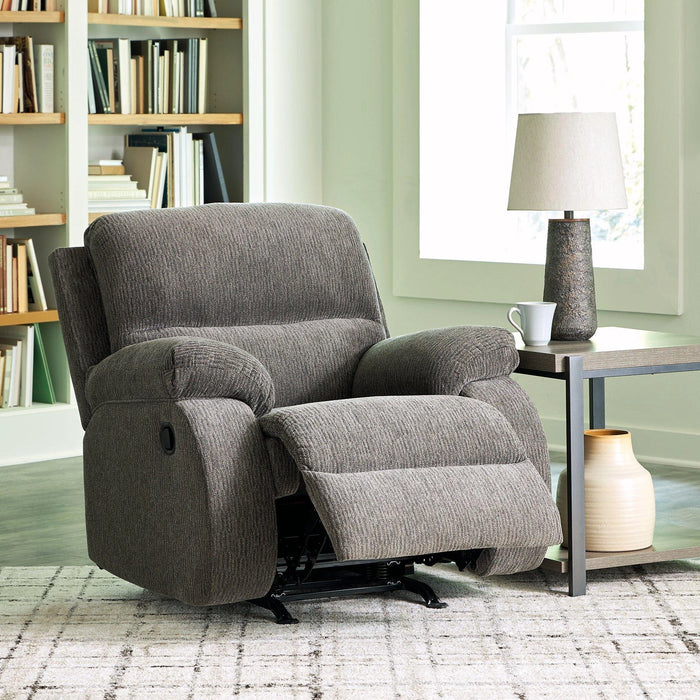
Doorway width determines whether a new recliner reaches the living room without damage or delay. Buyers who skip this step risk a chair stuck in a hallway or scraped against a stairwell wall on delivery day. Checking the path in advance protects both the furniture and the home.
Confirming a proper fit takes a short walkthrough before checkout. Follow these steps in order:
-
Measure the recliner's crated or boxed dimensions, not just the finished chair size.
-
Measure every doorway the piece must pass through, including width and height.
-
Walk the full delivery route, hallways, stairwells, and tight corners, with a tape measure in hand.
-
Note any turns where a wide chair back or footrest might catch on a wall or railing.
-
Compare all measurements against the standard dimensions of reclining furniture fully extended before finalizing the order.
Mi Hometown Furnishings recommends measuring the intended spot for the living room set first, then checking doorways, hallways, and stairwells to confirm the piece will fit inside before purchase. Skipping this check often causes the biggest delivery-day headaches.
Does Mi Hometown Furnishings Handle Delivery and Placement?
Delivery service covers the entire local service area surrounding Lowell. In most cases, staff carry the recliner inside and place it exactly where requested, removing the guesswork from move-in day. Customers can review the shipping & delivery policy for expected timelines. Contact the store directly for a quote and an estimated delivery window.
What If a Recliner Doesn't Fit Through a Doorway?
A recliner that clears the doorway test still needs breathing room once inside. Financing options are available on qualifying purchases, often through promotional low- or no-interest plans, which makes it easier to size up to a better-fitting model if measurements reveal a tight squeeze. Rechecking dimensions before ordering avoids costly returns and rescheduled deliveries.
How Do You Match Recliner Size to Your Body?
Body proportions decide recliner fit more than showroom looks ever will. A frame built for an average shopper often falls short for taller or shorter household members once the footrest extends and the backrest drops. Matching reclining chair dimensions fully open to real body measurements, not just floor space, prevents the most common recliner-buying mistake.
Before shopping, measure seated height from floor to knee and note any mobility needs in the household. These numbers guide which model actually supports the body correctly rather than one chosen for looks alone.
-
Sit-test the cushion firmness and seat depth in the showroom to check whether the chair holds proper posture.
-
Choose upholstery, performance fabric, or leather that stands up to daily use in homes with kids or pets.
-
Match the color, finish, and scale of the recliner to furniture already in the room.
-
Measure any doorway, hallway, or staircase the piece must pass through before delivery day.
-
Confirm front clearance for the footrest, typically 20 to 24 inches, so the chair doesn't crowd nearby seating once open.
How far does a recliner extend when fully reclined?
Full recline nearly doubles a chair's seated depth. The recliner fully extended depth matters as much as its upright footprint. Shoppers wondering how far a recliner extends when fully reclined should check the manufacturer's spec sheet against available floor space before purchase.
What is the standard footprint of a reclining chair?
The standard dimensions of reclining furniture fully extended vary by model. Front clearance and wall clearance for reclining sofa placement both factor into a proper fit. Measuring both dimensions against the intended room, rather than relying on the chair's upright size alone, keeps the footrest from striking walls or nearby furniture during use.
What Common Measuring Mistakes Should You Avoid?
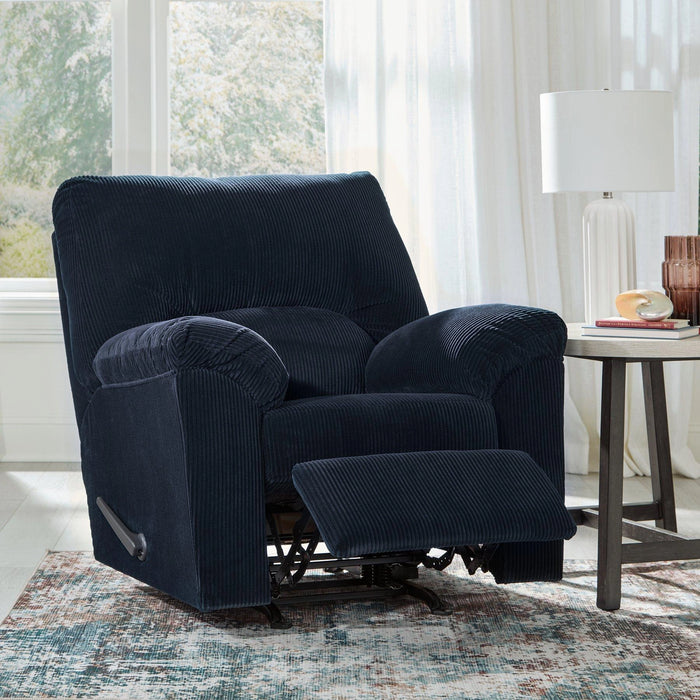
Skipping the recline path ranks as the single biggest measuring error furniture shoppers make. A chair or sofa that looks correctly sized in the showroom often fails once the footrest and back panel extend. That gap between "closed" and "open" causes most of the frustration buyers report after delivery. Failing to account for the standard dimensions of reclining furniture fully extended turns a promising purchase into a tight, awkward fit.
Poor measurement doesn't stop at the wall. Improper measuring causes tight corners during setup, disrupts room layout, and leads to sore backs from an ergonomically wrong fit. Avoiding this outcome requires more than eyeballing the space; it demands a short, repeatable process.
-
Identify the recliner's closed-position footprint using the manufacturer's spec sheet.
-
Add the wall clearance for reclining sofa placement, since seating pushed too close to a wall blocks the backrest from opening.
-
Measure the recliner fully extended depth from the wall to the tip of the footrest.
-
Confirm the reclining chair dimensions fully open match the available floor space, not just the seating area.
How Far Does a Recliner Extend When Fully Reclined?
Extension length varies by model, but the footrest and backrest together add substantial depth beyond the upright measurement. Buyers who skip this check often end up with furniture that collides with a wall, table, or walkway the first time it reclines.
Do Doorways Cause Fitting Problems Too?
Yes. Overlooking doorways, hallways, and stairwells prevents many pieces from reaching the room at all. Measuring the intended location matters little if the piece cannot pass through the entry points leading to it.
Finally, avoid flexible fabric tape. A rigid tape measure offers far greater precision and prevents the sizing errors that soft tapes introduce.
How Can MI Hometown Furnishings Help You Choose?
MI Hometown Furnishings guides customers through the full recliner selection process, from measuring available floor space to finalizing fabric and mechanism choices. Shoppers unfamiliar with the standard dimensions of reclining furniture fully extended often struggle to picture how a chair behaves once someone leans back. Skipping that step risks a piece that jams against a wall or blocks a walkway.
The selection process works best in this order:
-
Gather room measurements first, including distance to the nearest wall, doorway width, and any fixed obstacles.
-
Bring inspiration photos to the design team; MI Hometown Furnishings' interior designers use these images to draft a tailored plan for the room.
-
Ask a design consultant about reclining chair dimensions fully open to confirm the piece fits the intended footprint.
-
Review customization options, since advanced customization capabilities let customers pair the exact aesthetics they want with the comfort level they need.
-
Test-sit recommended models at the showroom before committing to a final selection.
-
Discuss financing, as qualifying purchases may include promotional low- or no-interest plans that ease the budget decision.
Why Does Visiting the Showroom Matter for Recliner Sizing?
Spec sheets rarely reveal how far a recliner extends when fully reclined. Sitting in the actual model at the Lowell showroom shows footrest travel. Backrest angle firsthand, something a photo cannot demonstrate. Staff can also point out the recliner's fully extended depth on wall-hugger mechanisms built for tighter rooms, helping shoppers avoid a costly return.
What Should Shoppers Confirm Before Placing an Order?
Confirming wall clearance for reclining sofa placement prevents damage to walls, trim, and nearby furniture once delivery day arrives. Design consultants at MI Hometown Furnishings walk customers through this check alongside doorway and hallway dimensions. Visiting the Lowell showroom in person remains the most reliable way to see why longtime customers keep returning for their furniture needs.
FAQ
How much total depth does a recliner need when fully extended?
A standard 35–40-inch-deep recliner demands up to 60+ inches of total depth when reclined completely, combining the front footrest space with rear clearance.
How much clearance does a recliner need behind it?
Reclining chairs require 12–18 inches of clearance behind the backrest for the reclining mechanism to operate properly and safely.
What tool gives the most accurate recliner measurements?
A rigid tape measure delivers precise readings, unlike a flexible fabric tape that sags or bends and skews the numbers.
Relax In Style: Recliner Furniture at MI Hometown Furnishings
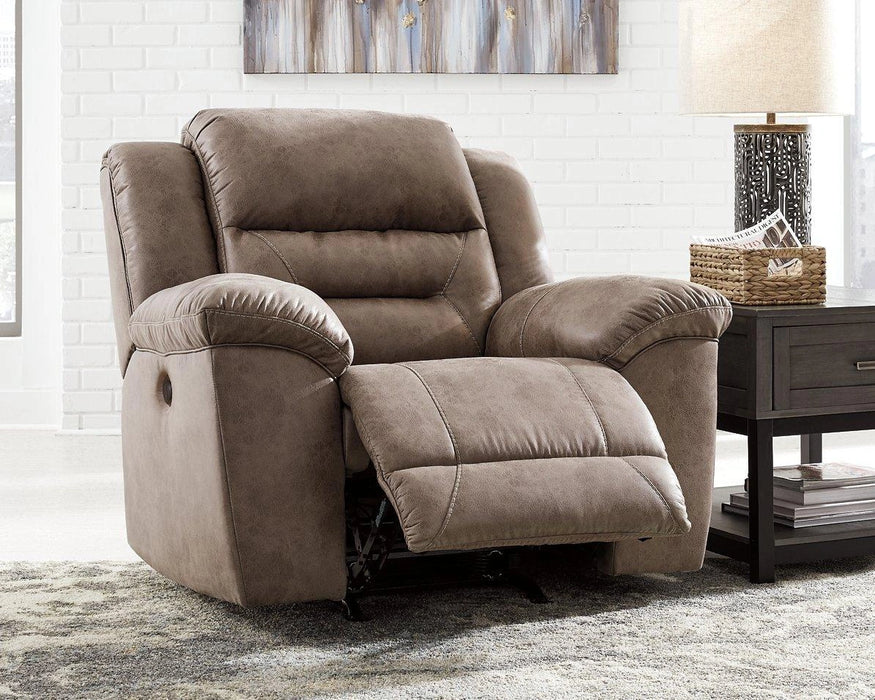
There's nothing quite like coming home to a recliner that feels like it was made just for you, and at MI Hometown Furnishings, we bring that welcoming, hometown comfort to life. Our recliner furniture collection features everything from smooth-gliding rockers to power recliners with modern conveniences, all chosen to help you unwind in true style.
Whether you're settling in for the big game, catching up on your favorite shows, or simply stealing a quiet moment after a busy day, our recliners deliver the perfect blend of support, craftsmanship, and cozy appeal. Don't settle for stiff, uncomfortable seating when true relaxation is just around the corner. Stop by MI Hometown Furnishings today and discover why locals trust us for the best seat in the house.