
Why Dining Room Furniture Should Match Your Household Needs
Key Takeaways
-
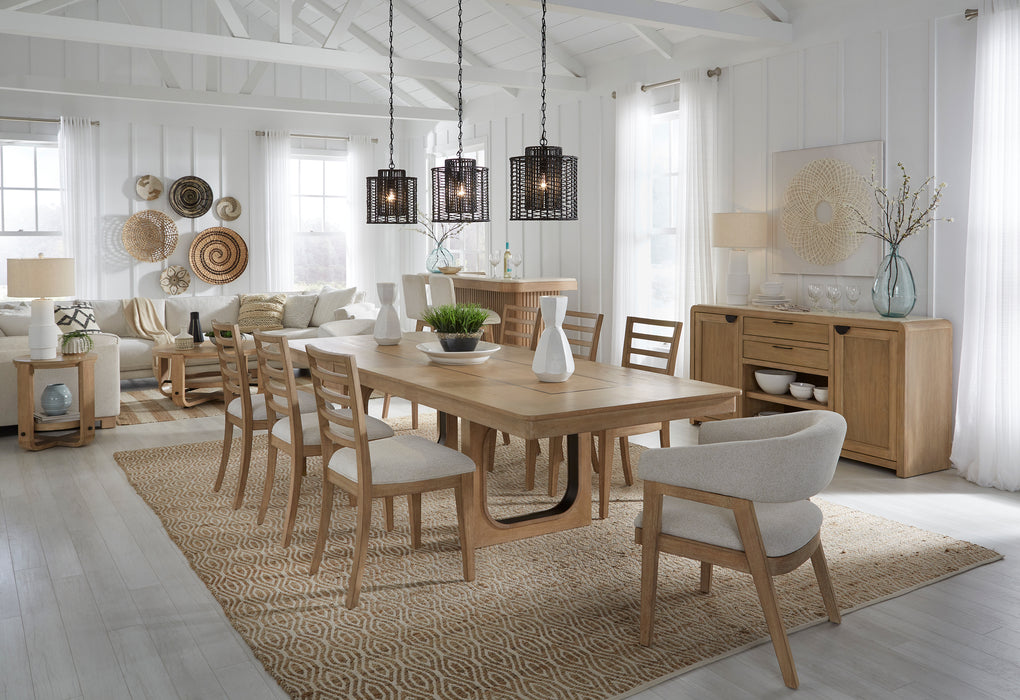
Dining room furniture should align with household needs for optimal functionality, not just visual appeal. Choosing pieces based on how you actually eat, how many people sit down, and how long meals last will always outperform a catalog-perfect matching set.
-
A dining table, chairs, and storage that fit household habits lead to more shared meals and fewer "show" dining rooms that collect dust.
-
Matching furniture does not mean identical pieces. It means furniture pieces that work together in function, comfort, and color palette for your specific home.
-
Open-plan homes where the dining room sits next to the living room benefit most from coordinated choices in scale, finishes, and the same color family across both zones.
-
This article gives concrete size guidelines, layout tips, and examples for small families, couples, and people working from home at the dining table.
Introduction: Matching Furniture to Real Life, Not Just a Catalog
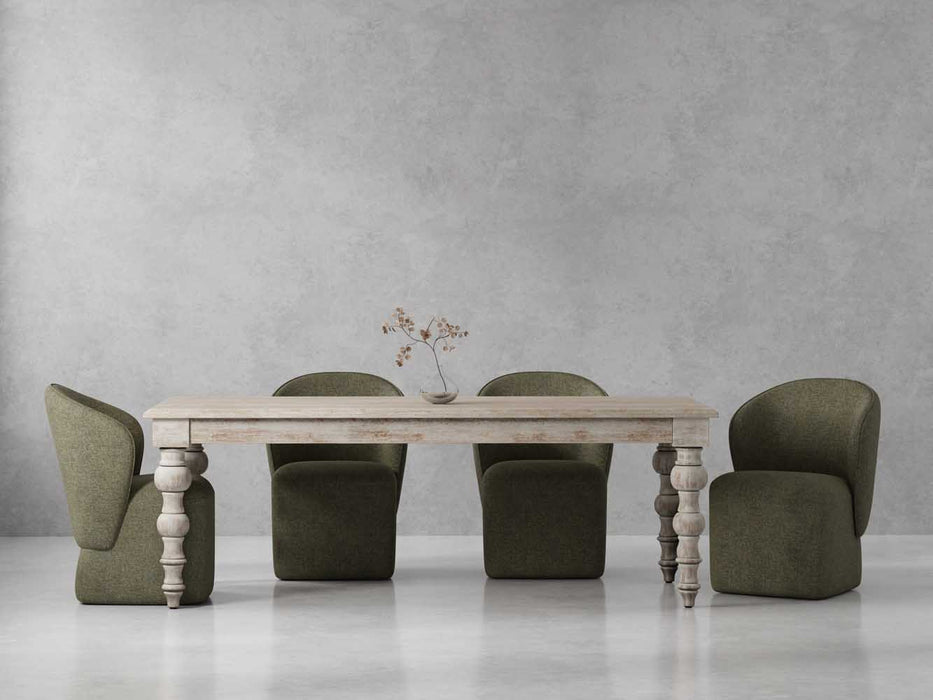
Most people walk into a furniture store and gravitate toward a complete dining set because it looks good on the showroom floor. Six identical chairs, one table, one sideboard, all in the same finish. The problem is that what looks cohesive in a 5,000 square foot showroom often feels stiff, oversized, or underused in a real house. A welcoming dining area encourages regular family gatherings and shared experiences, but only if the furniture actually fits how your household lives.
There is a meaningful difference between matching sets and matching your needs. A matching set is a pre-packaged group of identical furniture pieces sold together. Matching your needs means selecting a dining room table, seating, and storage that respond to the number of people in your home, the length of your meals, the shape of your room, and the way your dining area connects to the rest of your living space. Furniture that complements a household's style creates an inviting atmosphere, even when every piece is not from the same collection.
Consider a family of five in a modern open-plan home. Instead of buying a rigid six-piece matching set, they chose an extendable solid wood dining table, four wood side chairs, and two upholstered chairs at the head. The result: a dining room that adapts to weeknight dinners for five and holiday meals for ten. This article will walk through table size and shape, seating comfort, storage, color palette, and coordination with the coffee table and other room furniture so you can make the same kind of practical, needs-first decisions.
Start With How Your Household Actually Uses the Dining Room
Before you spend a dollar on dining room furniture, audit how your household actually eats. Choosing furniture based on daily use leads to greater satisfaction and fewer replacements down the road.
Here is how to run a quick self-audit:
-
Track meals for one week. Note where each meal happens (sofa, kitchen island, dining table, bedroom) and how long it lasts. If most meals happen on the couch, your dining area may be fighting your habits rather than supporting them.
-
Count your household. A couple has very different needs than a family with three kids under ten or a multi-generational home with grandparents. Note your guest patterns too: regular Sunday dinners versus a once-a-year holiday crowd.
-
Identify your priority scenario. Is the dining room primarily for daily meals, quick breakfasts, homework, and remote work, or large gatherings? Your anchor scenario should drive every purchase decision.
Research consistently shows that meals eaten at the dining table correlate with better nutritional intake and stronger family communication, especially for children. Heavy, formal furniture sets often go unused in small condos, while families with teenagers may need durable finishes and more seats than a typical four-chair set. Start by understanding your real patterns, then buy accordingly.
Choosing the Right Dining Table for Your Household
The dining table is the anchor of the dining area. Everything else revolves around it. Selecting appropriately sized furniture prevents cramped spaces and makes daily meals more comfortable.
Here are concrete size guidelines:
|
Number of Diners |
Rectangular Table Length |
Round Table Diameter |
|---|---|---|
|
2–4 |
120–150 cm (48–60 in) |
90–120 cm (36–48 in) |
|
6 |
180–200 cm (72–80 in) |
130–150 cm (52–60 in) |
|
8 |
220–250 cm (86–98 in) |
Not practical; oval preferred |
Families of four need 60–72-inch rectangular tables to accommodate daily meals without crowding elbows. Leave 90 cm (about 36 inches) clearance around the table so chairs can pull out and people can circulate freely.
Extendable tables provide flexibility for accommodating guests in small spaces. If your household is usually three to four people but swells to eight or ten during holidays, an extendable leaf model avoids permanently dominating the room. Choosing durable materials helps furniture withstand daily use in family settings. Wipeable solid wood or high-quality veneered surfaces work well for homes with children, while ceramic or glass tops suit adults who want a sleek look. Warm wood tones promote longer, more relaxed meals, making them a strong default choice for any household that values time at the table.
Table Shape and Layout: Matching Geometry to Your Space
The table shape must match both the room geometry and how people move between the kitchen, dining room, and living room. Position the dining table close to the kitchen for convenience: if the path is obstructed or too long, people tend to eat elsewhere.
Rectangular tables work best in narrow rooms or long open-plan spaces, helping create a clear zone between the kitchen and the living area. Round or square tables suit more square rooms and encourage face-to-face conversation. Round tables boost conversation by 25–30% compared to rectangular ones because every diner has equal sight lines and proximity. Table shape influences conversation flow and social dynamics in ways most people underestimate.
Mixing shapes adds visual interest to a room, so do not feel locked into one geometry. For example, a 2026 city apartment with a small dining nook works beautifully with a 100 cm round table and four slim armless chairs. The round shape eliminates sharp corners in tight spaces and seats four comfortably.
Always keep traffic paths clear, about 90–100 cm, so people can move to and from the kitchen without bumping chairs. This single layout decision encourages more frequent sit-down meals.
Chairs and Benches: Comfort Should Match Meal Length
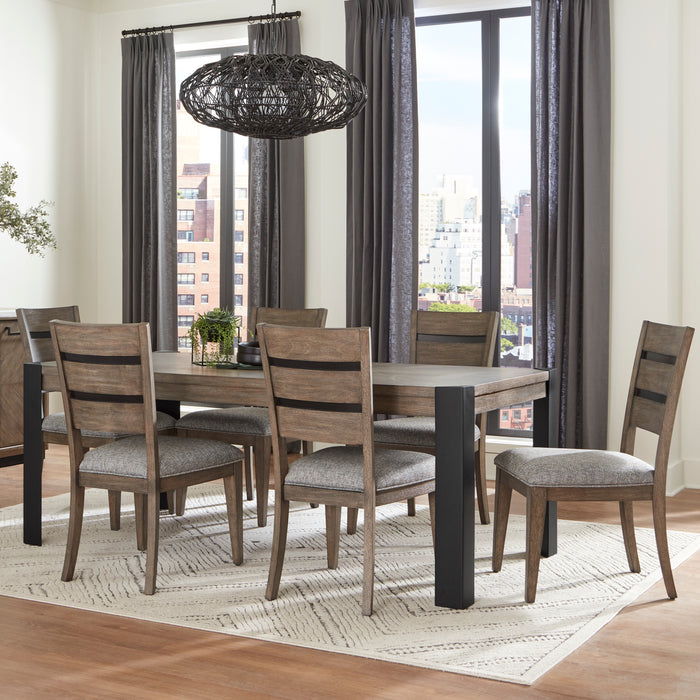
Seating comfort directly affects whether people linger, talk, or abandon the dining table for the sofa. Comfortable chairs extend meal duration by reducing discomfort and promoting longer sitting. If your chairs are painful after ten minutes, no amount of decorating will keep your family at the table.
Key dimensions to pay close attention to:
-
Typical dining table height: 74–76 cm (29–30 in)
-
Ideal chair seat height: 45–48 cm (18–19 in) so thighs stay level and feet touch the floor
-
Gap between seat and tabletop: 25–30 cm (10–12 in)
Upholstered chairs encourage meals lasting around 45 minutes, making them ideal for households that value slow dinners and long conversations. Wood or metal chairs work better for quick breakfasts or multi-use tables that see crafts and homework. Benches along one side of the table suit families with kids or where flexible seating is needed, though benches without backs may be cozy for short meals but uncomfortable for long evenings.
Tailored furniture enhances safety for families with young children. Choose chairs with rounded edges and stable bases. For older adults or people with mobility issues, armrests and generous seat widths matter. Wipeable fabrics handle toddlers and pets without constant stress.
Mixing Chair Styles While Keeping a Cohesive Look
You do not need every chair to be identical to create balance in the dining area. Full matching pieces can make a space feel stiff. Here is one simple strategy: choose chairs with different styles but keep finishes in the same color palette. For example, all warm oak frames with varied upholstery fabrics, or all black metal frames with different seat materials.
A variety of textures keeps a dining space visually engaging. Try wood side chairs on the long edges and more substantial upholstered chairs at the ends to signal hierarchy without visual chaos. In an open-plan space, dining chairs can pick up a color from the sofa or coffee table, like the same black metal leg detail or a fabric tone, to tie the dining area to the living room.
Before committing, test one or two sample new chairs at home for a few evenings. Check if comfort and height truly match your table and routines.
Storage and Surfaces: Matching Furniture to Meal Prep and Cleanup
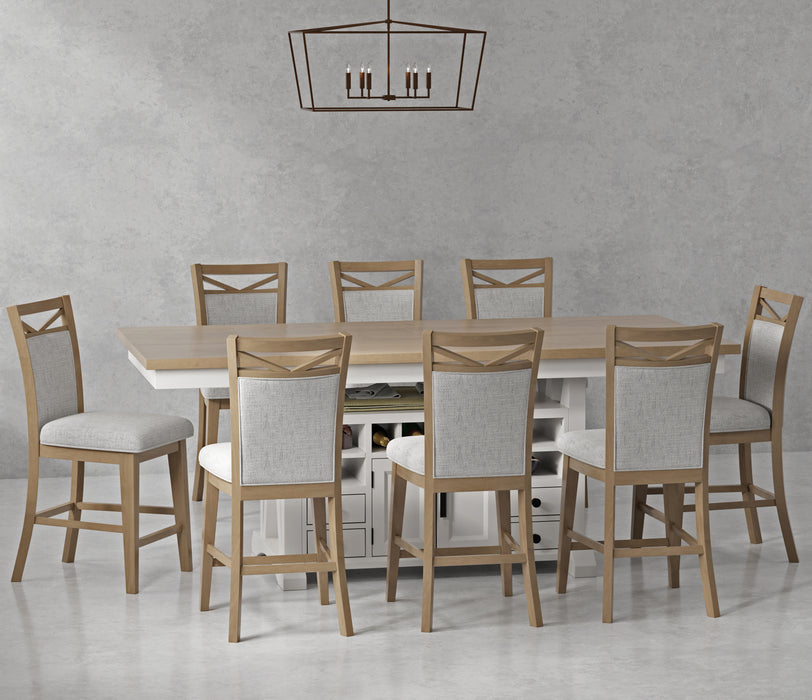
Sideboards, consoles, and storage benches reduce friction around meals, especially in a house where the kitchen is small. Adding a sideboard or cabinet near the dining table to store everyday dishes, cutlery, napkins, and table linens cuts down trips back and forth.
Closed storage helps keep the dining room visually calm, particularly when it shares space with the living room in open-plan layouts. A matching dresser or sideboard does not need to be from the same collection as the table. Choose storage furniture that echoes the dining table's general style or color family rather than being part of a rigid set, and the room will feel layered and current.
Clear table surfaces signal that the room is meant for eating. If the tabletop is always buried under mail, keys, and laptop cables, the space stops functioning as a dining room. A narrow console table or side table nearby can double as a serving surface during large gatherings, matching households that host seasonal events.
Color Palette: Coordinating Without Making Everything the Same Color
Matching furniture in 2026 means a coordinated color palette across dining room furniture, wall color, and adjacent living space, not identical finishes on every piece. Rooms feel flat with matching furniture sets that repeat a single tone everywhere.
Here is a practical approach:
-
Pick 2–3 core tones. For example, warm oak, soft white, and black accents. Use them across the dining table, chairs, and storage rather than forcing the same color on every surface.
-
Add controlled contrast. A light table, darker chairs, and a medium-tone sideboard create depth. Different materials like stone and metal enhance depth in design even further.
-
Use mixing wood tones to add visual interest. A walnut table with oak-toned chairs and a painted sideboard is more dynamic than all-walnut-everything.
Match the dining table's wood tone or base color to a visible element in the living room, like the coffee table legs or a TV console, to keep an open-plan space cohesive. Consider wall color and floor finish too: dining furniture a few shades lighter or darker than wood floors prevents everything from blending into one flat plane.
Aligning Dining Room Colors with the Living Room
In open-concept homes where the dining area and living room share one room, visual coordination matters more than identical sets. Different wood finishes can harmonize in a room when you repeat at least one material, such as black metal, light oak, or brushed steel, between the dining table, coffee table, and TV stand.
Soft furnishings bridge spaces effectively. Dining chair upholstery that echoes the sofa fabric color, or a rug under the dining table that picks up shades from living room cushions, creates a gentle visual gradient. Keep darker, grounded pieces like the sofa and dining table balanced with lighter items like a side table and dining chairs to avoid a heavy look and maintain visual weight across the room.
Avoid buying a full matching dining and living room furniture package. Aim for harmony in tone and proportion while letting each piece fit its specific function.
Balancing Matching Sets with Personal Style
There are times when partial furniture sets make sense, for example, all four side chairs are the same, and times when variety works better: different end chairs, mixed materials, a vintage find alongside something new.
Full matching dining room sets, popular in the 1990s and early 2000s, can feel rigid in smaller modern homes, especially when the dining area doubles as a workspace. Mixing furniture styles creates a more inviting atmosphere and adds visual interest that a catalog-perfect set simply cannot. Eclectic styles reflect personal stories and preferences, turning a dining room into a room that feels lived-in rather than staged.
Practical steps for updating an existing set:
-
Repaint or refinish the chairs in a contrasting shade
-
Change chair upholstery to a fabric that connects to other elements in the room
-
Move one piece, like a china cabinet, to a hallway or bedroom to free up space
-
Start small by swapping just two chairs for something in a different style and see how the room responds
The ultimate idea is a dining room that looks cohesive but also reflects your household's story and current life stage.
Integrating the Dining Area with Work, Study, and Everyday Life
Many dining tables now double as desks for remote work and children's homework. This trend accelerated after 2020 and continues into 2026.
If the table will serve both functions, choose a table depth of at least 90–100 cm (36–40 in) to fit laptops and plates without crowding. Add nearby storage, a small cabinet, rolling cart, or sideboard, to hold office supplies so the tabletop can transition back to dining mode quickly each evening.
Chair choice should match dual use: enough support and seat depth for focused work, but still upright and slightly firm so it remains comfortable for meals. Set visual boundaries between work and dining with accessories like table runners, placemats, or different lighting. A warm pendant signals dinner; a directional lamp signals work. These small shifts help one room serve two very different purposes without conflict.
Practical Checklist: Matching Your Next Purchase to Your Needs
Use this checklist before your next trip to a furniture store:
-
[ ] How many people eat daily meals at this table now? How many in 3–5 years?
-
[ ] What is the typical meal length: under 15 minutes, 30–60 minutes, or longer?
-
[ ] How often do guests join: weekly, monthly, holidays only?
-
[ ] Does the table double as a desk or homework space?
-
[ ] Measure the room: length, width, window positions, and pathways to the kitchen and living room.
-
[ ] Confirm at least 90 cm clearance on all sides where chairs pull out.
-
[ ] Will children regularly spill? Do you eat staining foods at this table?
-
[ ] Do you mind weekly oiling, or do you prefer low-maintenance surfaces?
-
[ ] Does the seating need armrests, wipeable fabric, or generous widths?
Prioritize comfort, clearance, and function over purchasing a pre-packaged matching set, even if the set appears easier at first glance. The dining room that gets used is the one that fits your life.
FAQ
Does my dining table have to match my coffee table?
No. The dining table and coffee table do not need to be identical. In an open-plan living room and dining area, it helps if they share one element like similar wood tones, a matching leg style, or the same metal finish to keep the space visually connected. You can mix and match different styles freely as long as there is a common thread tying the two zones together. Full matching across the living space is unnecessary and often makes the room feel like a showroom floor rather than a home.
Is it okay if my dining chairs are a different color from my table?
Absolutely. Different colors are not only acceptable but often desirable. Keep all pieces within one coordinated color palette, for instance, a light oak table with charcoal fabric chairs and black metal legs, rather than forcing strict same-color matching. This approach lets you add visual interest through contrast while maintaining a focal point at the table. Pay close attention to undertones: cool greys pair with cool-toned wood, warm creams with warm-toned wood.
How big should my dining table be for a small apartment?
Many small apartments work well with a 90–110 cm (36–44 in) round table for two to four people, or a 120 cm (48 in) long rectangular table placed slightly away from the wall. Leave at least 75–90 cm (30–36 in) clearance on the main access side. If the other side sits against the wall, you can reduce clearance there. Round tables are especially effective in tight spaces because they eliminate corners and allow easier movement around the floor.
Can I mix old family furniture with new pieces and still have a cohesive dining room?
Yes. Mixing heirloom furniture, like a vintage table from the 1980s, with new chairs and storage is encouraged by current interior design trends. Unify them with consistent chair fabrics, similar wood tones, or a shared rug color to make the room feel intentional rather than random. The result will have more character than any pre-packaged set from a catalog.
What if my household's needs change in a few years?
Choose flexible furniture pieces from the start. Extendable dining tables adapt to growing or shrinking guest lists. Stackable or easily replaceable chairs let you swap seating without replacing the entire set. Freestanding storage can move between rooms as needs shift. The rest of the room- wall color, lighting, and a rug can be updated inexpensively to keep everything feeling current. Build around adaptability, and your dining room will serve you well regardless of what changes after 2026.
Get Your Dining Room Furniture at MI Hometown Furnishings
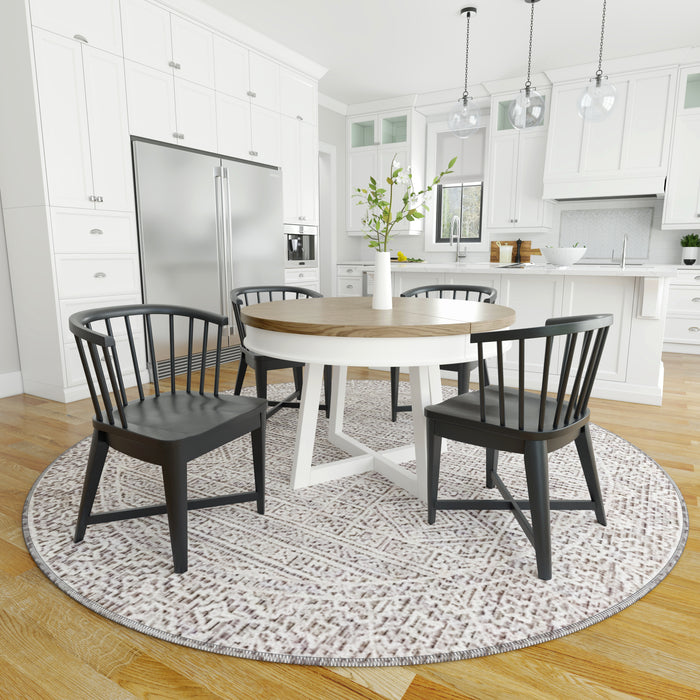
Make every meal more inviting with Dining Room Furniture at MI Hometown Furnishings, where quality craftsmanship and everyday comfort come together. Whether you're looking for a stylish dining table, comfortable chairs, a complete dining set, or practical storage pieces, our collection offers options to fit your home and lifestyle.
Visit MI Hometown Furnishings today to browse our Dining Room Furniture selection and discover pieces that match your style, space, and budget. Our knowledgeable team is ready to help you choose durable furnishings that create a warm, welcoming setting for family dinners, celebrations, and everyday gatherings.