
Why Proper Seating Layout Improves Conversation
Key Takeways
-
Seating arrangements dictate the flow, power dynamics, and emotional tone of conversations during gatherings. A proper seating layout influences communication, feelings, and connections by managing eye contact, spatial distance, and social hierarchy.
-
Layouts like circles, round tables, and U-shaped seating make it easier for participants to see and hear each other. That usually leads to stronger group interaction, more balanced participation, and better discussion.
-
Assigned seating can prevent cliques, spread out dominant talkers, and support quieter participants. A 2021 study concluded that assigned seating in classrooms increased new friendships among students by 50%, promoting social connections across diverse backgrounds.
-
In classrooms, living rooms, meetings, and events, small changes can increase engagement: move chairs closer, angle sofas inward, reduce barriers, or shift from rows to small groups when the task calls for group work.
How Seating Layout Shapes Human Conversation
Conversation is not shaped only by who is in the room. It is strongly influenced by visibility, proximity, comfort, sound, and the physical space between each person. Sitting arrangements function as silent conductors of communication, shaping psychological dynamics, eye contact, and hierarchy.
A proper seating layout enhances conversation by optimizing sightlines, managing interpersonal distance, and balancing privacy with engagement. When chairs face each other at about 90–120 degrees, people can read facial expressions without feeling trapped in a stare-down. A 2019 study on seating angles found that 90-degree and 120-degree orientations supported better comfort and conversation quality than side-by-side sitting.
Distance matters just as much. The distance between chairs determines the intimacy of interaction, with close proximity encouraging collaboration and wide spacing implying formality. Once participants are more than about 2–3 meters apart, spontaneous comments often drop because people must raise their voices, lean forward, or wait for a formal turn.
Obstacles can create the same problem. High centerpieces, tall chair backs, oversized furniture, and wide gaps between seats interrupt natural sound flow and sight lines. Strategic arrangements ensure natural eye contact, reduce physical strain, and create comfortable psychological boundaries, making people more receptive to interacting.
The Psychology Behind Effective Seating Arrangements
Environmental psychology shows that spatial orientation controls how people look at, listen to, and argue with one another. In practice, a seating arrangement tells people whether they are expected to listen, debate, collaborate, or quietly observe.
One useful concept is social distance. Conversation tends to thrive in the personal-to-social range, roughly 0.7–3 meters, depending on culture, relationship, and context. Closer than that may feel intrusive for acquaintances; farther than that can feel like a lecture or public address.
Orientation also sends a signal. Individuals sitting directly across from each other are statistically more likely to debate or disagree, while those sitting side-by-side feel cooperative. That is why interview panels and negotiation tables can feel tense, while two peers reviewing a document side-by-side often feel more collaborative.
Symmetry changes the power dynamics. Circles, hollow squares, and round tables reduce the “head of the table” effect because everyone has similar visibility. By contrast, a long table with one person at the end suggests authority, even before anyone speaks.
This matters in mixed groups. Children, adults, senior staff, new students, teachers, and guests may all read the environment differently. Inclusive seating arrangements reduce anxiety and create a safer sense that more voices can join the conversation.
Seating Arrangements That Naturally Boost Conversation
Certain different seating arrangements consistently support better group interaction across homes, classrooms, and events. The right layout depends on the number of participants, the task, and whether the goal is learning, decision-making, casual chat, or collaborative work.
Here are the most useful different types to consider:
|
Layout |
Best for |
Conversation style |
|---|---|---|
|
Round tables |
4–6 people per table |
Equal, social, inclusive |
|
U shape |
10–25 participants |
Focused discussion and instruction |
|
Clusters |
Student groups or project teams |
Problem-solving and group work |
|
Rows |
Larger groups and lectures |
Listening and efficient teaching |
|
Living-room circle |
3–8 people |
Informal, relaxed connection |
Simple top-down descriptions help with planning:
Round table:
   chairs around one shared center

U shape:
   three sides facing an open end

Clusters:
   small groups around separate tables
Round Tables: Equalizing Voices
Round tables are popular in dining and event settings because there is no obvious “head.” Everyone sits at the edge of the same shape, which makes the group feel more equal from the beginning.
Round tables are preferred for events as they promote equality and natural connection among guests, allowing for better eye contact and conversation flow. Banquet-style seating, which features round tables, creates perfect hubs for networking and conversation, facilitating a comfortable social atmosphere at events.
Size is important. A 120–150 cm table works well for 4–6 people because everyone can hear without leaning. Once a table grows beyond about 180 cm, people often split into smaller side conversations because it becomes harder to hear across the center.
Use round tables for:
-
family dinners
-
small groups in workshops
-
collaborative discussions
-
team brainstorming
-
networking meals
Keep the center low. Shared snacks, a board game, or a low arrangement can create focus without blocking sightlines.
U-Shape and Horseshoe Layouts: Focusing and Including
A U-shaped layout places chairs or tables on three sides of a rectangle, with the open end facing a focal point such as a screen, fireplace, or whiteboard. This gives participants a shared focus while still letting them see each other.
This layout works especially well for group discussions because people can direct comments to the facilitator or to peers, and the facilitator can suggest who speaks next or redirect comments while the open layout still supports peer-to-peer discussion. Seating arrangements can significantly affect group interaction, with circular or U-shaped layouts generally promoting more engagement and discussion compared to traditional rows.
For practical spacing, keep the open end wide enough for a presenter to walk in, usually about 1.5–2 meters. Avoid making the sides more than two seats deep, or the back row effect returns.
For larger groups, use a double-U or wide semi-circle. The goal is to preserve visibility while giving the facilitator enough room to move.
Classroom Seating and Group Interaction
Classroom seating has been studied for decades because it directly affects participation, class time, attention, and how students interact. University classroom research also shows that seating configurations can shape interaction and learning outcomes. A classroom seating arrangement is not just a management choice; it changes learning dynamics.
Traditional rows are efficient for lecture, testing, and direct instruction. They help teachers keep focus at the front of the classroom and may reduce distractions. A 2015 study concluded that specific desk layouts led to different rates of off-task behavior, with off-task behavior being lowest when students sat in rows.
But rows are not always best for discussion. Clusters, semi-circles, and U-shaped layouts usually help student groups talk to each other and make group work easier. Research shows that physical proximity strongly influences emotional connections, with moving students from the front to the back of a classroom leading to a 62.5% decline in participation frequency.
The same pattern appears in broader rooms. Research shows that physical proximity strongly influences emotional connections, with moving participants from the front to the back of a room leading to a 62.5% decline in participation frequency. Physical distance dictates verbal contribution, with participants sitting in central or front sections asking significantly more questions than those in back or side margins.
A useful classroom model is mixed:
-
chevron rows near the front for explanation
-
clusters in the back or side areas for problem-solving
-
a semi-circle for group discussions
-
flexible chairs for quick transitions
There are exceptions. In a study using wearable electronic Sociometric badges, it was found that students sitting in rows had more intensive interaction compared to those sitting in circles during group discussions. This does not mean rows are always better; it means the task, group norms, and teacher facilitation matter.
Recent research adds another layer. In a 2024 study, researchers found that students' attentiveness may be most strongly influenced by the classmates sitting next to them, especially if those classmates are inattentive. That is why classroom seating should consider neighbors, not just distance from the teacher.
Assigned Seating: Quietly Steering Who Talks to Whom
Assigned seating is not only for airplanes and classrooms. It can shape conversations at trainings, retreats, dinners, and meetings by deciding who gets repeated access to whom.
A 2021 study concluded that assigned seating pushed students to make friends with peers they might otherwise brush off, boosting new friendships by 50 percent. That makes assigned seating useful when hosts or teachers want to break cliques and create new connections across diverse backgrounds.
In classroom seating, assigned spots can also support students who are easily distracted. Placing a learner closer to the teacher, away from a busy door, or out of glare from a window can improve focus. It also helps separate pairs of kids who consistently pull each other off task.
Simple resources are enough. A paper chart, sticky notes, or a basic digital plan can help you arrange seats based on personality, role, accessibility, and observed interaction.
Balancing Personalities and Roles
Before assigning seats, map the room quickly:
-
extroverts or dominant talkers
-
quieter or anxious participants
-
supportive peers
-
conflict-prone pairs
-
leaders, note-takers, and facilitators
Then distribute influence. Do not place all senior staff, confident students, or authority figures in one cluster. That can pull the conversation to one side of the room and silence others.
Example seating chart for a 6-person table:
Supportive peer - Quiet participant - Facilitator
Mediator        - New participant   - Talkative participant
Example classroom rotation:
Front center: students who need structure
Middle: mixed-confidence peers
Sides: independent learners
Back: not reserved as a default low-engagement zone
Rotate assigned seating every 4–6 weeks in a class, or at the start of a new course unit, project, or multi-session workshop. The assignment should feel purposeful, not punitive.
Accessibility, Comfort, and Inclusion
Conversation quality is tied to comfort. If one person is on a low stool while others sit in supportive chairs, the seating itself creates an imbalance.
Reserve accessible locations near exits, aisles, or clear paths for people using mobility aids. Make sure there is enough space to move without forcing anyone to ask the whole group to shift.
Sound matters too. Rugs, curtains, upholstered chairs, and soft surfaces can reduce echo and help people with hearing difficulties follow the discussion. A 2020 classroom acoustics study found that layout affected speech intelligibility and reverberation, with horseshoe and modular arrangements performing better than traditional rows in different measures.
Inclusive seating arrangements communicate psychological safety. They show participants that comfort, access, and contribution have been considered before the conversation begins.
Living Rooms and Informal Spaces: Layouts That Invite Talk
Living rooms often discourage conversation by accident. Many are arranged around a television, a single wall, or a large sectional that points every person in one direction.
A better layout brings sofas and chairs into a loose circle or square. Keep the main seats roughly 1.2–2 meters apart so people can speak naturally without leaning or shouting.
A simple living-room setup:
Chair       Sofa
   \       /
  coffee table
   /       \
Chair     Ottoman
The coffee table, rug, or low ottoman becomes a central anchor. It gives the seating arrangement a shared middle and encourages people to face inward.
If you have limited room, do not add more seats than the space can support. Two chairs and a small sofa arranged diagonally are often better than six cramped chairs pushed to the wall.
Common Layout Mistakes That Kill Conversation
The most common mistakes are simple:
-
All seating pushed against the walls
-
furniture aimed only at a screen
-
chairs too far apart
-
bulky pieces blocking sightlines
-
too many small side tables fragmenting the group
-
sectionals that trap people in corners
For example, imagine a 2024 apartment living room with a sofa against one wall, two chairs under a window, and a screen as the only focal point. People enter, sit in separate zones, and talk in pairs. After moving the chairs inward, rotating one chair toward the center, and placing the rug under all front legs, the same room starts to feel like one conversation area.
Quick fixes include:
-
Pull furniture away from the walls
-
remove one bulky piece
-
rotate a chair toward the center
-
lower or remove tall décor
-
Place the rug so it visually connects the seats
Events, Meetings, and Workshops: Designing for Group Interaction
From 2015–2026, event planners have increasingly treated seating as a tool for networking and engagement, not just capacity. Well-thought-out seating designs directly affect measurable outcomes like networking quality, engagement rates, and attendee retention at events.
Theater-style rows fit many people into a venue, but they minimize face-to-face contact. Cabaret seating, round tables, lounge corners, and a U-shaped layout create more chances for participants to engage with more than the two people beside them.
Properly spacing tables at an event can enhance guest comfort and interaction, as tables that are too close together can create a crowded feeling, while too much space can lead to disconnection among guests. The best spacing gives guests room to move while keeping the atmosphere connected.
For a 50-person workshop, a strong plan might be:
-
arrival: lounge seating for informal talk
-
opening: U shape for shared focus
-
activity: round tables for breakout groups
-
dinner: assigned seating to create introductions
-
Closing: semi-circle for reflection
Breaks matter too. Clear aisles and pathways let people drift naturally between groups instead of staying locked in one seat.
Combining Seating Arrangements in One Event
One event can include several seating zones:
|
Zone |
Seating |
Purpose |
|---|---|---|
|
Arrival |
Lounge chairs |
Casual introductions |
|
Keynote |
Classroom seating or rows |
Listening-focused segment |
|
Workshop |
U shape |
Questions and discussion |
|
Meal |
Round tables |
Networking and social ease |
|
Breakout |
Clusters |
Collaborative work |
Separate loud zones from quiet zones. Place music, bars, and stages away from focused conversation areas. Use soft furnishings, partitions, and lighting to make each environment intuitive.
Assigned seating works well at key moments, such as the opening session or dinner. After that, free seating can take over, so people have autonomy.
How to Choose the Right Seating Arrangement for Your Situation
The best seating arrangement depends on group size, purpose, room shape, available furniture, and time. Start by defining the conversation goal: bonding, debate, learning, decision-making, or instruction.
Use this simple process:
-
Define the goal of the conversation.
-
Estimate the number of participants.
-
Identify constraints such as doors, aisles, sound, and fixed tables.
-
Choose 2–3 candidate layouts.
-
Test the easiest version first.
Circular and U-shaped layouts are best for open discussion. Rows and classroom seating are better for lecture or listening-focused teaching. Clusters help students, adults, or teams work on a shared task. Assigned seating helps when you want to guide networking or manage group dynamics.
Start small. Move 2–3 chairs, test one round-table activity, or try a U shape for one meeting. The benefit of flexible seating is that you can learn from the room instead of guessing.
The main lesson is simple: why proper seating layout improves conversation comes down to sightlines, distance, hierarchy, and comfort. When you arrange the room with intention, you create better conditions for people to interact.
FAQ
How close should people sit to have a comfortable conversation?
Most adult conversations work best in the personal-to-social range, roughly 0.7–2.5 meters. Sitting closer than about 70 cm can feel intrusive for acquaintances, while sitting beyond 3 meters often forces people to raise their voices.
For group interaction, use a circle, round table, or U shape with chairs about an arm’s length apart. Adjust for culture, relationship, noise level, and the size of the room.
Is it better to let people choose their own seats or to use assigned seating?
Free seating feels relaxed and works well when existing relationships are the priority. Assigned seating is better when you want to encourage new connections, balance personalities, or improve classroom seating goals.
A hybrid approach is often best. Assign seats for key sessions, meals, or group work, then allow free mixing during breaks.
What seating arrangement works best for shy or quieter participants?
Quieter participants usually do better in layouts where they can see everyone without being exposed too intensely. Circles, round tables, and U-shaped layouts often work better than long rows or isolated end seats.
Seat quieter people near supportive peers rather than beside the most dominant talkers. Avoid placing them directly opposite authority figures if that increases pressure.
How often should classroom seating be changed to improve interaction?
Revisit classroom seating arrangements every 4–6 weeks, or at the start of each new unit, course phase, or project. Rotation helps students build new peer connections and breaks patterns that limit participation.
Teachers should briefly explain why the change is happening. Students are more likely to cooperate when they understand the learning purpose behind the layout.
Can small spaces still support good conversational seating?
Yes. Small spaces can support excellent conversation when they use fewer, better-placed seats. A compact setup with two chairs and a small sofa around a low table can work better than a crowded room with too many chairs.
Position seats diagonally rather than flush against walls. This shortens the distance, improves eye contact, and makes the room feel more connected.
Shop Now at MI Hometown Furnishings for Dining Room Furniture
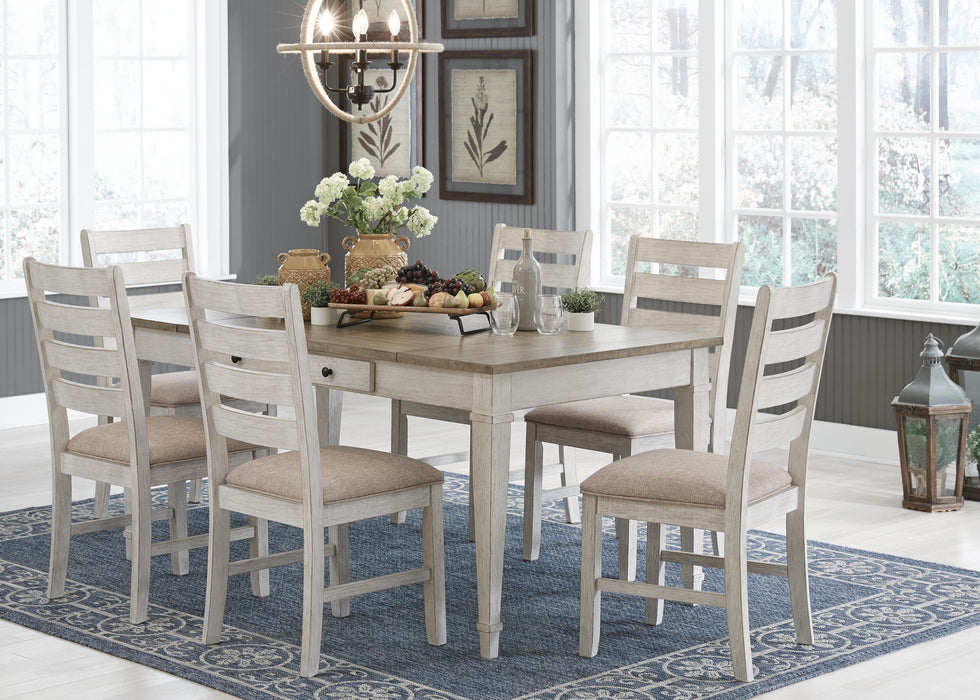
Shop now at MI Hometown Furnishings and discover dining room furniture designed to bring comfort, style, and togetherness into every meal. Whether you're hosting family gatherings or enjoying everyday dinners, our collection offers beautifully crafted pieces that help create a warm and inviting dining space.
Get your dining room furniture at MI Hometown Furnishings today and explore durable dining tables, comfortable chairs, and complete sets built for lasting use. With designs that blend functionality and timeless appeal, you’ll find everything you need to create a dining area that feels both practical and welcoming.